How Not to Be That Guy: A Straight-Talk Guide to Fitting In on the Au Sable
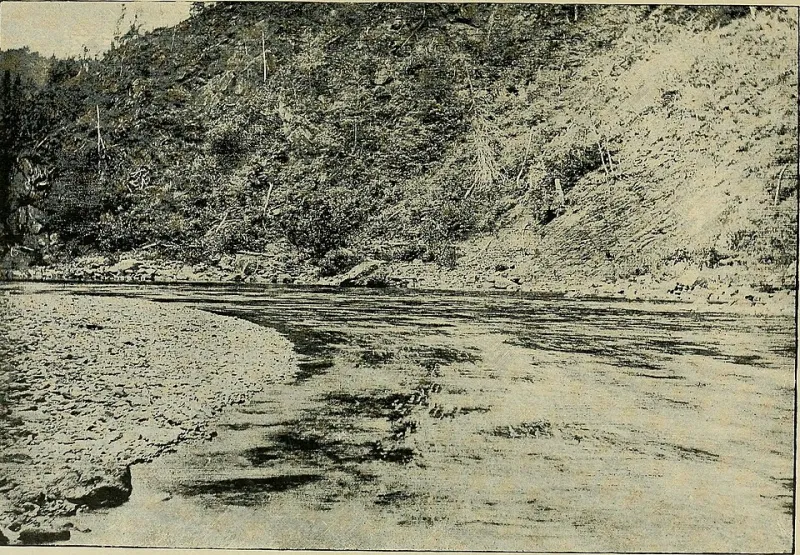
Photo: Internet Archive Book Images, No restrictions, via Wikimedia Commons
There's a version of this conversation that happens every summer in Grayling. Two anglers pull into the same access point at dawn. One of them has been fishing the Au Sable for twenty years. The other drove up from Columbus the night before, parked across a private driveway, walked straight through someone else's riffle without a word, and is now setting up forty feet downstream of a guide who's been anchored in that run since 5 a.m.
By 8 o'clock, somebody's had a bad morning, and it wasn't the trout.
This isn't a lecture. Most visiting anglers are good people who simply don't know what they don't know. The Au Sable's etiquette isn't posted on signs. It lives in the heads of the people who fish here week after week, generation after generation. So consider this a straight-talk translation — the stuff the locals assume you already know.
Parking Is Not a Suggestion
Let's start before you even get your waders on. Access points along the Au Sable range from well-marked public lots to informal pull-offs that exist because locals have been using them for decades. Neither type gives you unlimited license.
Private property lines don't disappear because a river runs through them. If a pull-off is adjacent to a residence, a farm field, or a posted sign, you need to think carefully before you park there. When in doubt, use established MDNR access sites. They're clearly marked, legally sound, and spread traffic away from the stretches where access tensions tend to flare up.
Also — and this should go without saying — don't block gates, driveways, or field roads. Farmers and property owners use those. A tow is an expensive lesson, and it poisons the well for every angler who comes after you.
Space Is the Most Valuable Currency on This River
The Au Sable is a long river with a lot of good water, but the best runs tend to be well-known, and on summer weekends they get pressure. The single most important thing you can do to respect the culture here is give other anglers room.
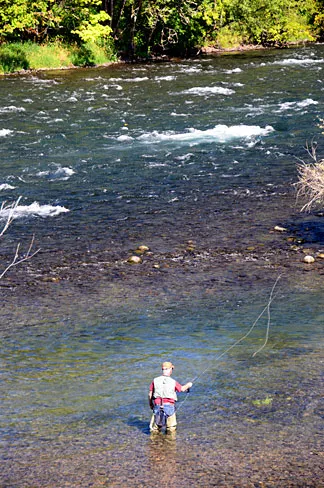
The general rule of thumb is simple: if someone is already working a run, they own it until they move. Don't wade in above them, don't crowd their downstream drift, and don't anchor your canoe in a run where someone is wading. This last point matters more than people realize — canoe traffic and wading anglers share the river, and the relationship works best when both parties act like adults.
When you arrive at a stretch and someone is already there, either wait or move to a different section. A polite wave and a question — "You working upstream or down?" — goes a long way. Most anglers will tell you exactly where they're headed, and that brief conversation turns a potential conflict into a shared morning.
The Guide Culture Deserves Respect
The Au Sable has a professional guide community that is serious, skilled, and deeply invested in the river's health and reputation. Guides bring clients to specific water because they've put in the scouting hours. When you drop into a run that a guide has clearly staked out for a client float, you're not just being rude — you're affecting someone's livelihood and a client's once-a-year trip.
If you're new to a stretch of river and you see a guide working with a client, give them a wide berth. Watch, learn if you can, and move on. Most guides are generous with information when approached respectfully, especially at the takeout or back at the shop. Ask questions after the fact, not in the middle of someone's guided day.
If you want to fish the same quality water a guide is covering, book a trip. Seriously. An afternoon with a local guide is worth more than three days of wandering unfamiliar water on your own.
Catch-and-Release Is the Standard, Not the Exception
The Au Sable is a regulated fishery with specific rules that vary by section, and you should know those rules before you wet a line. But beyond the legal framework, there's a cultural expectation that runs even stronger: on most of the quality water here, you release what you catch.
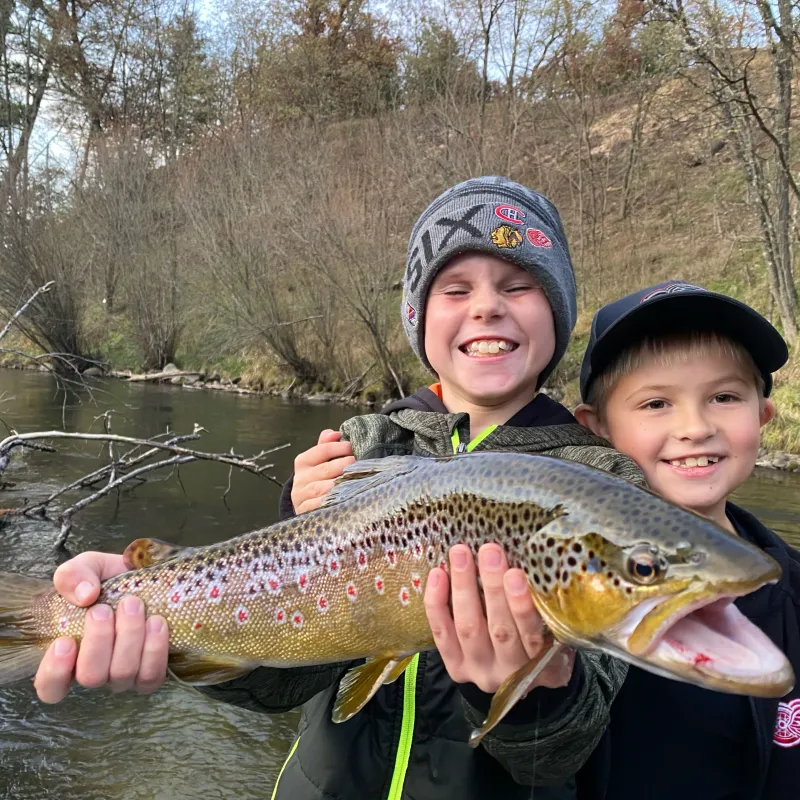
This isn't about being preachy. It's about math. A large brown trout in a well-known run is a shared resource. The guide who fished it yesterday, the local who's been watching it rise for a week, and the visiting angler who catches it today all have a stake in whether that fish is still there tomorrow. Keeping a trophy-sized trout from the main stem is technically legal in some sections and socially nuclear in most of them.
Handle fish quickly. Keep them in the water as much as possible. Don't hold a trout up for a five-minute photo session in warm summer air. If you're not sure how to properly revive a fish, ask. Nobody will judge you for learning.
How You Talk to People Matters
This one's subtle but real. The Au Sable has a community of people who have been fishing it for decades. Some of them are retired school teachers. Some of them are retired guides. Some of them drive up from Flint every weekend because this river is the most important place in their lives.
When you interact with those people — at the access point, at the fly shop, at the diner in Grayling — be curious, not competitive. Ask about the river's history. Ask what they've been seeing. Don't brag about your catch count. Don't complain loudly about the crowds to the people who were here before the crowds arrived.
The fly fishing community on the Au Sable is small enough that reputations travel fast. Anglers who show up with humility, treat the river and its people with care, and leave the water better than they found it get remembered. They get invited back. They get the good intel.
Leave the Access Better Than You Found It
Pick up your tippet scraps. Pack out your lunch trash. If there's garbage at an access point that isn't yours, pick it up anyway. The people who manage public access along the Au Sable are watching how anglers treat these spots, and every piece of litter is an argument for locking the gate.
The Au Sable's reputation as one of America's great trout rivers wasn't built by accident. It was built by generations of anglers, guides, and conservation advocates who treated the river like it belonged to everyone — because it does.
You're part of that story now. Make it a good chapter.