Chasing Shadows: Where Trophy Trout Hide on the Au Sable When Summer Drains the River Down
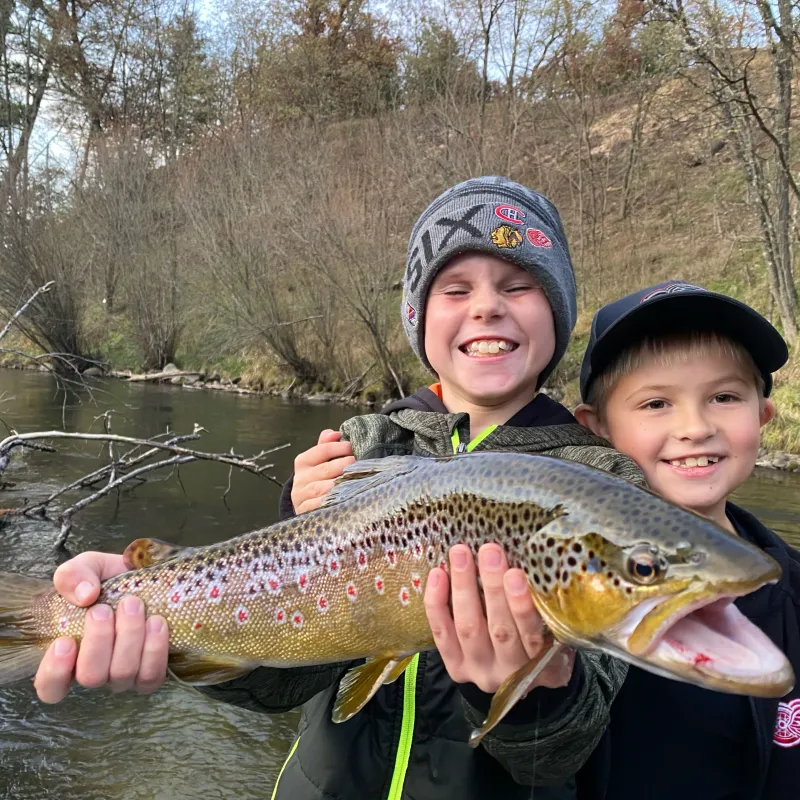
Photo: fly fishing deep pool clear river summer Michigan, via dlsmyzcs6vrg4.cloudfront.net
There's a particular kind of quiet that settles over the Au Sable in mid-July. The canoe traffic thins out, the hatches get stingy, and a lot of fly fishers start eyeing their calendars, waiting for September. Meanwhile, a handful of locals are out there catching the biggest fish of their season.
Low water isn't a death sentence on this river. It's a filter. It separates the anglers who know the Au Sable from the ones who only know what it looks like from a drift boat in June. At Au Sable Two Fly Shop, we've spent years wading these stretches, and we're ready to share what we've learned about where fish go when the river tightens up.
Why Low Water Actually Concentrates the Best Fish
When flows drop — typically hitting their summer lows anywhere from late June through mid-August — trout face a few hard realities. Dissolved oxygen decreases as water temperatures climb. Shallow riffles that held fish in May become thermal stress zones. Food delivery slows down in the skinny water.
The result? Fish stack up. They move into deep, shaded pools where temperatures stay a few critical degrees cooler, where current seams still deliver bugs, and where they can hold without burning energy. A pool that might hold two or three average fish in June can pack in eight to twelve trout by late July. That's the upside of low water — if you know where to look.
As a general rule, water temperatures above 68°F put trout under stress, and anything pushing 72°F or higher is a catch-and-release emergency. Carry a stream thermometer. We stock several affordable options at the shop, and it's genuinely one of the most important tools you can bring to the river in summer.
The Upper Au Sable: Shaded Bends and Cedar Sweeper Pools
The upper river, particularly the stretch between Grayling and Wakeley Bridge, is a maze of tight bends and overhanging cedars. This is classic Au Sable — intimate, technical, and full of character.
In low-water conditions, focus your attention on the outside bends where the current has carved depth into the bank. These spots are often partially shaded by cedar and tag alder, keeping water temps measurably cooler than open sections. Look for the transition zone where fast, shallow water dumps into a deeper bucket — that seam is prime real estate.
Fly patterns that work well here in summer include small parachute Adams in sizes 16–18, Elk Hair Caddis, and in the evenings, soft hackle wet flies swung through the tail-outs. Don't overlook terrestrials. Ants and beetles become increasingly important as summer progresses, and a well-placed size 18 black ant can absolutely wreck a fish that's been ignoring everything else.
The Holy Water: Reading the Main Current Breaks
The stretch known locally as the "Holy Water" — running from Burton's Landing downstream — gets a lot of pressure, but summer low water changes the equation significantly. The crowds thin out, and the fish that remain are holding tight to very specific structure.
Target the deep slots along the eastern bank where the current pushes against gravel ledges. In summer, these ledges create current breaks that trout use to conserve energy while staying in the food lane. Approach from downstream, keep your profile low, and make short, precise casts. Long drifts with heavy mending are less effective here than a well-executed 25-foot reach cast with a clean presentation.
For this zone, we recommend a two-fly rig (more on that in a separate guide) with a small Parachute Sulphur or Pale Morning Dun on top and a Pheasant Tail nymph dropped 14–18 inches below. The surface fly acts as both attractor and indicator — it's an efficient setup for reading the water quickly.
Downstream Pools: The Big Water Sleepers
Anglers who fish only the upper river miss some of the most productive summer habitat on the Au Sable. The lower sections, particularly around the Mio Pond area and the stretches approaching Alcona, hold surprisingly large fish through the summer heat.
These deeper, slower pools maintain cooler temperatures longer into the day and offer abundant forage. Crayfish patterns and larger streamers fished on sinking lines can produce explosive takes in the low-light hours of early morning and evening. A size 4 olive Woolly Bugger stripped through the depths of a big pool at first light is one of the most underutilized techniques on this river.
Midday, scale down dramatically. Think size 20 midge clusters and tiny Comparaduns. The fish are there — they're just not going to chase anything that requires effort.
Timing Your Day: Temperature Windows and Fish Behavior
Summer fly fishing on the Au Sable is a game of timing. Early morning, from first light until roughly 9 or 10 a.m., offers the best combination of cool water, active feeding, and manageable light for spotting fish. Evening, from about 6 p.m. until dark, is the other prime window — and often the better of the two for dry fly action.
Midday fishing isn't impossible, but it requires a shift in mindset and location. Stick to the deepest, most shaded pools, fish small and slow, and keep your wading disturbance to an absolute minimum.
Gear Up for the Conditions
Low summer water demands a lighter touch across the board. Drop down to a 5X or 6X tippet — fish in clear, slow pools will absolutely scrutinize your presentation, and heavy tippet is a deal-breaker. A 9-foot, 4-weight rod gives you the delicacy to land flies softly without sacrificing the backbone to handle a quality brown.
At Au Sable Two Fly Shop, we keep our summer fly selection stocked with the patterns that actually work on this river, not just the ones that look good in a catalog. Stop in before your trip, tell us what stretch you're planning to fish, and we'll point you toward exactly what you need.
The river is lower. The crowds are gone. The biggest fish of the season are waiting in the shadows — you just have to know where to look.