Ice on the Guides, Fish in the Net: A No-Nonsense Guide to Winter Fly Fishing the Au Sable

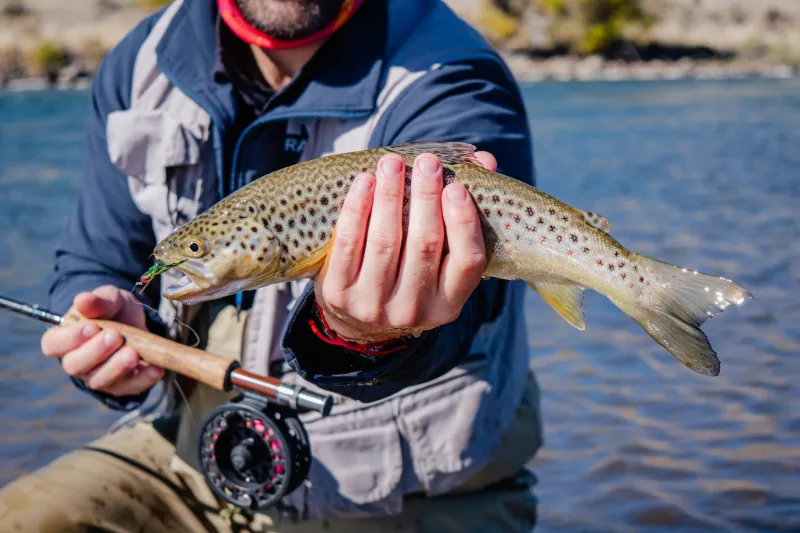
Photo by Photo by Joel Naren on Unsplash on Unsplash
Let's be honest about something. The parking lot at the Holy Water access points in January looks nothing like it does in June. There are maybe two trucks where there used to be twenty. The folks who drive away from this river when the temperature drops are making a decision based on discomfort, not fishing quality — and that distinction matters a lot.
Winter fly fishing on the Au Sable is genuinely good. Not good-for-winter good. Just good. The fish are there, they're concentrated, and once you understand what they're doing and why, the whole game gets surprisingly straightforward. What follows is a practical breakdown of how to approach the river when everyone else has gone home.
Why Winter Actually Simplifies the Equation
Here's something that might reframe how you think about cold-weather fishing: trout don't hibernate. They slow down metabolically, sure, but they still need to eat, and in a spring-fed system like the Au Sable, water temperatures stay remarkably stable through the winter months — typically hovering in the high 30s to low 40s Fahrenheit. That's cold enough to slow fish metabolism but not so cold that trout shut down entirely.
What winter does is concentrate fish in predictable places. When water cools, trout abandon the shallow summer lies and move to deeper, slower water where they can conserve energy. Once you know where those spots are, you can stop guessing. No more covering miles of water hoping to find a fish. You go to the deep runs and slow pools, and the fish are there.
Another underrated advantage: pressure-spooky trout that spent all summer getting educated by parade after parade of anglers have had weeks of quiet. They're less wary. A reasonable presentation in the right spot produces strikes that might have been refused in August.
Reading Winter Water on the Au Sable
The Au Sable's spring-fed character is your biggest ally in winter. Unlike freestone rivers that freeze solid and become completely unpredictable, the Au Sable's groundwater inputs keep it flowing and fishable through even the coldest Michigan stretches. Focus your energy on:
Deep, slow runs: Trout sit in water that requires minimal energy to hold. The slow current does the work of delivering food while the fish barely moves. Anything knee-deep or shallower is probably not holding fish in January.
Spring seeps and tributaries: Groundwater enters the river at a consistent temperature around 50°F year-round. Where springs enter the main stem, you'll find slightly warmer water that acts like a magnet for cold-weather trout. Learn these spots and you'll have them almost entirely to yourself.
Downstream of log jams and woody debris: Current breaks that don't matter much in summer become prime real estate in winter. Fish stack up behind structure where they can hold without fighting current.
Slowing Everything Down: Winter Technique
If there's one adjustment that separates productive winter anglers from frustrated ones, it's pace. Everything needs to slow down — your presentation, your retrieve, your walk between spots. Here's why.
Cold water slows an insect's ability to escape, and trout have learned this. They expect their food to move slowly, and they're not going to chase something that's zipping past them. A nymph drifted at the speed of the current, getting down to the bottom of a deep run, is what you're after. Strike indicators can help you manage depth and detect the subtle takes that winter fish produce — these aren't the aggressive grabs of a summer brown chasing a streamer.
That said, don't completely write off streamers. On warmer winter days — anything above 40°F air temperature, especially in the afternoon — trout can be surprisingly aggressive. A slow, heavy streamer worked through a deep run with long pauses and minimal action can provoke territorial strikes from fish that are otherwise locked down.
Flies That Actually Work in January
Keep it simple. Winter fly selection is one area where overthinking hurts you.
Midges are your bread and butter. The Au Sable's midge population is active year-round, and in winter it's often the only hatch happening. Zebra Midges, Jujubaetis, and small Hare's Ear nymphs in sizes 18-24 are consistent producers. Fish them in tandem — a slightly larger nymph as a point fly and a small midge dropper — and get them deep.
Scuds and sow bugs deserve a spot in your winter box too. These crustaceans are present in the Au Sable's spring-fed stretches year-round and become a primary food source when hatches are sparse. An olive or tan scud in size 14-18, tumbled along the bottom, is a reliable option that most winter anglers overlook.
Egg patterns can be effective in areas near tributary mouths, particularly early in winter when some late-season spawning activity has occurred. A simple fluorescent egg fly in peach or orange is worth having.
Gear: What You Actually Need
You don't need to spend a fortune to fish comfortably in winter. You need to be smart.
Layering is non-negotiable. Base layers that wick moisture, an insulating mid-layer, and a wind-blocking outer shell will keep you functional for hours. Cotton kills in cold conditions — avoid it entirely. Merino wool and synthetic fleece are your friends.
Waders and wading boots: Neoprene waders (5mm) are significantly warmer than breathable waders and worth the investment if you plan to wade deep. If you're committed to breathable waders, wear heavyweight fleece pants underneath. Felt-soled boots provide better traction on the icy, algae-slicked rocks you'll encounter in winter. Studded rubber soles also work well.
Rod guides ice up. It's not if, it's when. Carry a small squeeze bottle of isopropyl alcohol or commercial guide de-icer to clear ice buildup. Fishing with iced guides is miserable and damages your fly line. A rod with larger guides ices up more slowly, which is worth knowing if you're shopping.
Shorter sessions, smarter fishing. You don't need to be a hero. Two to three focused hours of winter fishing will outperform a full summer day of wandering if you're working the right water with the right approach.
The Payoff
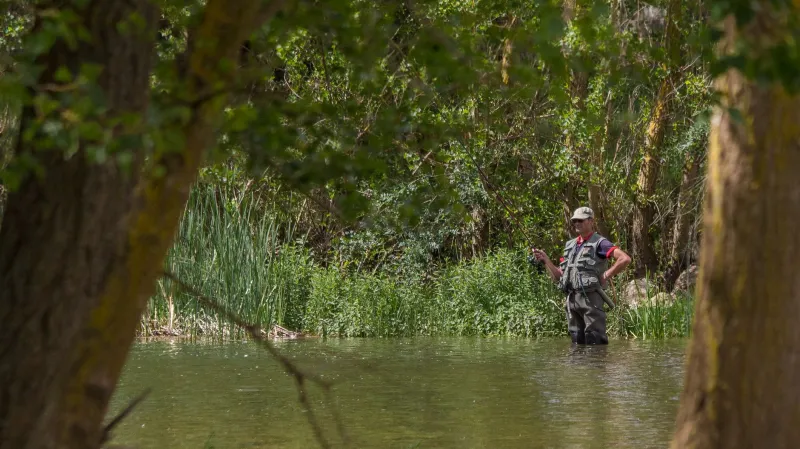
There is something genuinely different about standing in the Au Sable on a quiet January morning with steam rising off the water and no one else around for miles. The river sounds different without summer's ambient noise. The fish you catch feel earned in a way that's hard to describe but easy to feel.
Winter fishing on the Au Sable isn't a consolation prize for people who can't wait until spring. It's its own thing — methodical, peaceful, and surprisingly productive. Give it a real shot with the right preparation and you might find yourself looking forward to January in a way you never expected.
We stock winter-specific gear, midge patterns, and scud flies at the shop, and we're always happy to talk through current conditions before you head out. Come see us.