Old Gear, Real River: Sorting the Keepers from the Deadweight in Your Au Sable Tackle Collection
There's a certain romance to old fly fishing gear. The patina on a well-used reel, the action of a fiberglass rod that's been in the family for thirty years, the waders that still smell faintly of cedar from someone else's cabin—this stuff carries history. And on a river as storied as the Au Sable, fishing with a rod that's caught trout for decades feels appropriate.
But nostalgia has its limits. Some older gear is genuinely excellent. Some of it is genuinely holding you back. The trick is knowing which is which before you wade in.
Fly Rods: Where Age Often Doesn't Matter (Much)
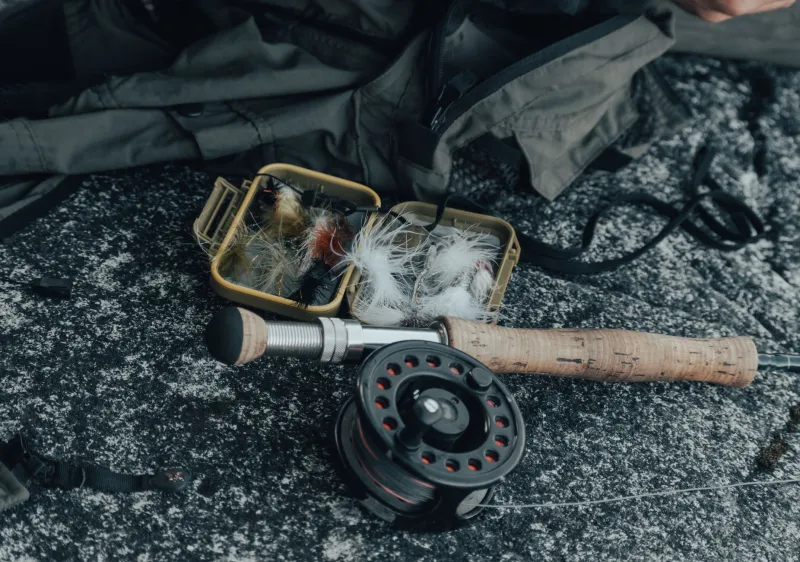
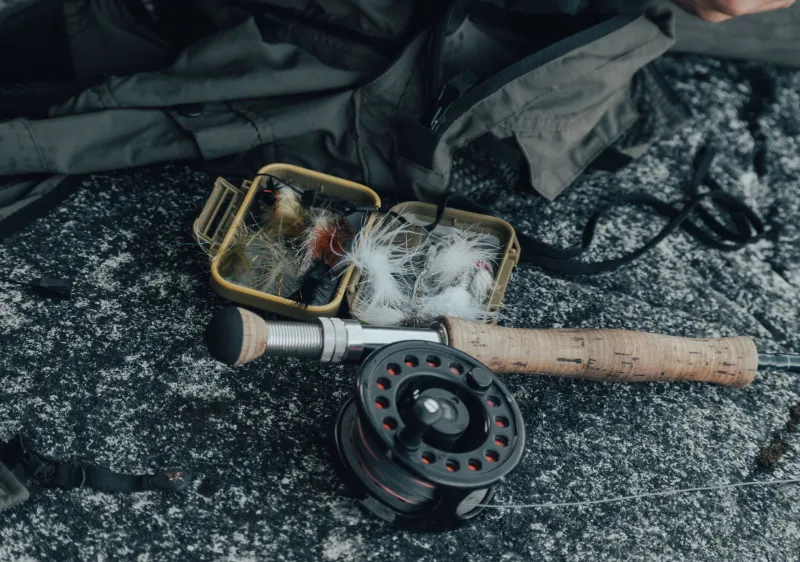
Let's start with the good news. A well-made graphite fly rod from the late 1990s or early 2000s is often still a perfectly capable tool. Rod technology has improved incrementally over the past two decades, but the jump from a quality graphite rod built in 2005 to a current model is meaningful—not transformational. If you're casting a 9-foot 5-weight from a reputable manufacturer that's in good physical condition, you're not at a serious disadvantage on the Au Sable.
Check the guides carefully. Worn or cracked guide inserts can damage fly lines quickly and affect casting performance. A rod with damaged guides is worth either having repaired (relatively inexpensive) or replaced. Also inspect the ferrules—the joints where rod sections connect. If they're loose or show wear, that can affect the rod's action in ways that are hard to compensate for.
Fiberglass rods are a slightly different conversation. Vintage glass has had a genuine resurgence in popularity, and for good reason—slower action rods can be wonderful for the kind of delicate, short-range presentations that Au Sable fishing often demands. A well-maintained fiberglass rod from a quality maker isn't a compromise. For many anglers fishing tight spring creeks or the smaller tributaries, it's actually a preference.
Where vintage rods genuinely fall short is in the ultralight, ultrafast-action category. Modern high-modulus graphite rods offer casting performance at distance and in wind that older designs simply can't match. If you're regularly making long casts or fishing in breezy conditions, a current-generation rod is a meaningful upgrade.
Reels: The Case for Keeping What Works
A fly reel's core job is to hold line and provide drag. By that standard, a solid click-and-pawl reel from fifteen or twenty years ago—or even older—is perfectly adequate for most Au Sable fishing. Brown trout in the 12- to 18-inch range don't require sophisticated drag systems. A simple, reliable reel that holds the right line is genuinely all you need for the majority of situations on this river.
Where modern disc drag systems earn their keep is with larger fish. If you're targeting the Au Sable's bigger browns—particularly during fall streamer fishing when 20-inch-plus fish are a realistic possibility—a smooth, adjustable drag can prevent break-offs during the initial run. The sudden, jerky resistance of an older pawl system can be enough to snap light tippet on a fast fish.
Corrosion and worn drag components are the real concerns with older reels. If a reel has spent years in a damp gear bag without maintenance, the drag components may be compromised in ways that aren't obvious until a fish tests them. Clean and inspect any reel before trusting it on the water. If the drag is inconsistent or the reel has visible corrosion inside the frame, it's worth either having it serviced or replacing it.
Fly Lines: This Is Where You Should Actually Spend Money
If there's one category where vintage gear is almost always a liability, it's fly line. Fly lines have a functional lifespan, and most experts put it at three to five years of regular use—sometimes less if the line has been stored improperly or exposed to sunlight and chemicals.
An old fly line that's cracked, stiff, or coil-memory-prone will genuinely hurt your fishing. It casts poorly, won't mend cleanly, and sinks when it should float. On the Au Sable, where a good drift is everything, a compromised line makes an already technical river harder than it needs to be.
If you've inherited a setup or bought secondhand gear, replace the fly line before you do anything else. A quality fly line appropriate for the Au Sable—a weight-forward floating line in a weight matched to your rod, probably a 4- or 5-weight for most applications—costs between $60 and $100 and will immediately improve your casting and presentation. It's the single best investment you can make in a secondhand setup.
Leaders and tippet are non-negotiable replacements. Never fish inherited or old leaders. The material degrades over time even if it's never been used, and a failed knot or leader break at a critical moment is completely avoidable.
Waders and Wading Boots: The Comfort and Safety Calculation
Older neoprene waders are a mixed bag. If they're still sealing well and you've confirmed there are no leaks, they'll keep you warm and functional—though they're heavier and less breathable than modern options. For cold-water Au Sable fishing in early spring or late fall, neoprene's insulation is actually a legitimate advantage.
Breathable waders from the early 2000s onward are worth evaluating more carefully. The waterproof-breathable membranes in older waders can delaminate or fail in ways that aren't always visible. A wader leak test before a trip is essential with any older pair. Fill them with air, seal the ankles, and watch for deflation—or simply wear them in a bathtub. Wader repair tape can fix small leaks, but widespread delamination means it's time to replace.
Wading boots deserve real scrutiny for safety reasons. Worn felt soles are a slip-and-fall risk on the Au Sable's varied bottom. Check sole thickness and condition, and inspect the lacing system and ankle support. A boot that's structurally sound but has worn soles can often be resoled by a cobbler or specialty repair service for a fraction of replacement cost.
The Honest Bottom Line
Not everything old is worth keeping, and not everything new is worth buying. On the Au Sable specifically, where presentation and precision matter more than raw casting distance, older gear often performs better than its reputation suggests. A quality older rod with a fresh fly line, good tippet, and reliable waders will catch just as many fish as a brand-new setup in the hands of a thoughtful angler.
But don't let sentimentality blind you to real performance gaps. A cracked fly line, a leaking wader, or a compromised drag system can cost you fish—or worse, create a safety issue on the water. Evaluate each piece honestly, replace what's genuinely failing, and fish the rest with confidence.
And if you're not sure about something, bring it in. We're happy to take a look and give you a straight answer about whether it's worth fishing or worth replacing. That's what a good fly shop is for.