Tie Your Own: The Au Sable Fly Patterns Worth Building from Scratch
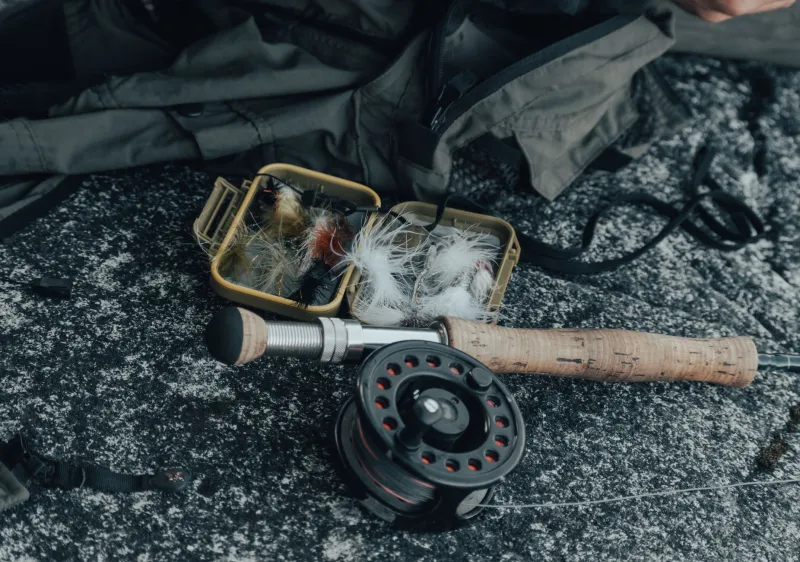
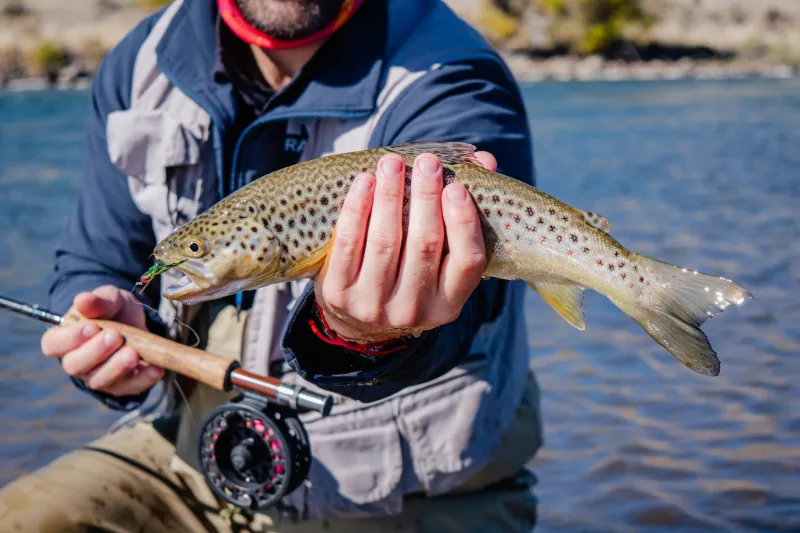
There's a particular kind of confidence that comes from catching a fish on a fly you tied yourself. It's not arrogance—it's something quieter than that. It's the satisfaction of a closed loop: you understood what the river needed, you built it with your own hands, and the trout agreed. That feeling is addictive in the best possible way, and it's one of the main reasons serious Au Sable anglers eventually find their way to the vise.
But let's be practical about it. Fly tying is a skill that rewards investment, and the learning curve is real. The goal here isn't to send you chasing every exotic pattern in the catalog. It's to give you a focused starting point built specifically around what the Au Sable actually asks for—season by season, hatch by hatch.
Why Tying for the Au Sable Specifically Matters
The Au Sable has a personality. Its hatches are well-documented and famously reliable, which means the trout in this river have seen a lot of flies. The commercially tied versions of common patterns are often close enough—but close enough isn't always good enough on pressured water.
When you tie your own, you control proportions, hook gap, tail length, wing profile, and color tone in ways that off-the-shelf flies simply can't accommodate at scale. A Hex spinner tied slightly fuller in the abdomen, or a Sulphur parachute with a wing post trimmed to sit lower in the film—those small adjustments can be the difference between refusals and takes on a technical evening rise. You only get there through the vise.
The Essential Starter Patterns
The Au Sable Wulff
This one is practically the river's mascot. Developed right here in Michigan and designed specifically for the Au Sable's broken water, the Wulff series remains one of the most effective searching dry flies in the box. Start with the Royal Wulff if you're new to the pattern—white calf tail wings, moose body hair tail, peacock herl and red floss body, brown hackle. It's not a match-the-hatch fly; it's a confidence fly that gets strikes when nothing specific is happening.
The tying challenge here is the upright divided wings. Take your time. Proportions matter more than perfection, but sloppy wings will make the fly sit wrong on the water. Practice on a size 12 before you move down to 14 or 16.
Key materials: White calf tail, moose body hair, peacock herl, red floss, brown dry fly hackle, standard dry fly hook sizes 10–16.
Hex Patterns: The Nymph, the Dun, and the Spinner
If you're going to fish the Au Sable seriously, you need to be able to tie Hex patterns. The Hexagenia limbata hatch is the river's signature event—big mayflies, big fish, low light, and trout that come completely unhinged. Buying Hex patterns works, but having the ability to tie them means you're never without the right size or profile.
Start with the Hex Wiggle Nymph. It's more complex than a standard nymph, with a jointed abdomen that gives it movement, but the extra effort pays off in the subsurface fishing before the main hatch kicks in. From there, work on the Comparadun-style dun—no hackle, deer hair wing, split tails. It sits flush in the film and is more forgiving to tie than a traditional upright wing pattern.
The spinner is the one most tiers overlook. Spent-wing Hex spinners—trout eating them flat in the film after the hatch—can produce when nothing else will. Tie a dozen and keep them in a separate box.
Key materials: Turkey tail fibers, deer hair, tan and yellow dubbing, Antron for spinner wings, 2XL dry fly hooks sizes 4–8.
Sulphur Parachute
Sulphur hatches on the Au Sable run from late May through July, and they're the kind of reliable, fishable event that rewards anglers who show up prepared. The parachute style is the most versatile approach—visible from above, low profile from below, and effective in both flat water and broken runs.
The parachute post is the skill to develop here. Use white or light pink Antron yarn, and keep the post height proportional to the hook size. A post that's too tall kills the fly's effectiveness in any kind of breeze. Dub the body lightly in a pale yellow-orange blend, and use a soft ginger hackle wound tight around the base of the post.
Key materials: Pale yellow dubbing, ginger or cream dry fly hackle, white Antron yarn, standard dry fly hook sizes 14–18.
Woolly Bugger (Au Sable Variation)
Not everything on the Au Sable is about matching the hatch. A black or olive Woolly Bugger, weighted and swung through the deep bends on the South Branch or the mainstream after dark, catches big fish. This is one of the first patterns any tier should learn because it teaches fundamental skills—wrapping hackle, palmering, building a tapered head—that transfer to dozens of other patterns.
For the Au Sable, tie yours slightly slimmer than the standard recipe. Heavy, bulky Buggers don't swim as well in the river's current. A marabou tail, palmer-wrapped saddle hackle over a chenille body, and a bead head or cone head to get it down fast.
Key materials: Black or olive marabou, matching saddle hackle, chenille, brass or tungsten bead head, 3XL streamer hook sizes 4–10.
Setting Up Your Tying Station
You don't need to spend a fortune to get started. A mid-range rotary vise, a basic set of tools (bobbin, scissors, whip finisher, bodkin, hair stacker), and a modest materials collection will handle everything above. Budget around $150–200 to get genuinely set up, and you'll tie flies for years on that foundation.
For materials sourcing, start with what you actually need rather than buying comprehensive kits. Build your inventory around the patterns above and expand from there. Stop by the shop—we carry a curated selection of tying materials chosen specifically for Au Sable patterns, and we can help you avoid buying materials that won't work for what you're tying.
The Bigger Picture
Tying your own flies is a winter project that pays dividends all season long. Start in December, work through January and February, and by the time the river opens up you'll have a box full of patterns you built yourself, sized and proportioned exactly the way you want them. That's not just practical—it's genuinely satisfying in a way that buying flies never quite matches.