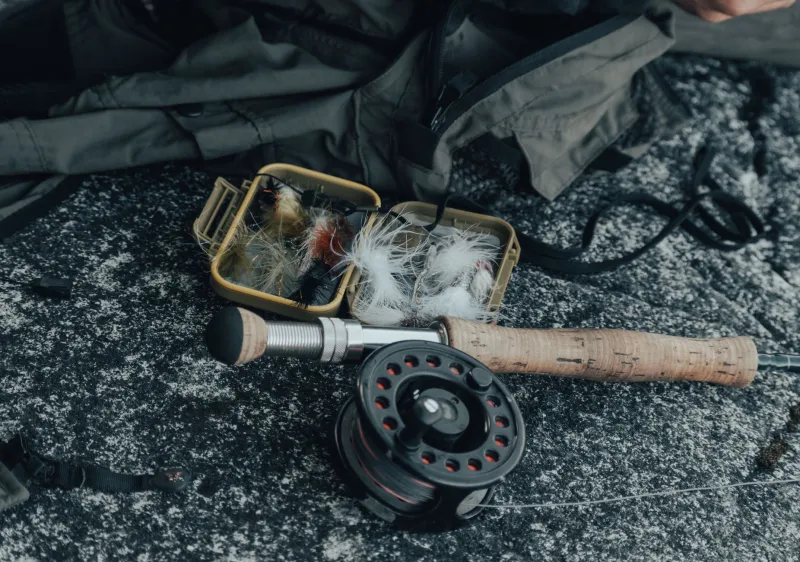
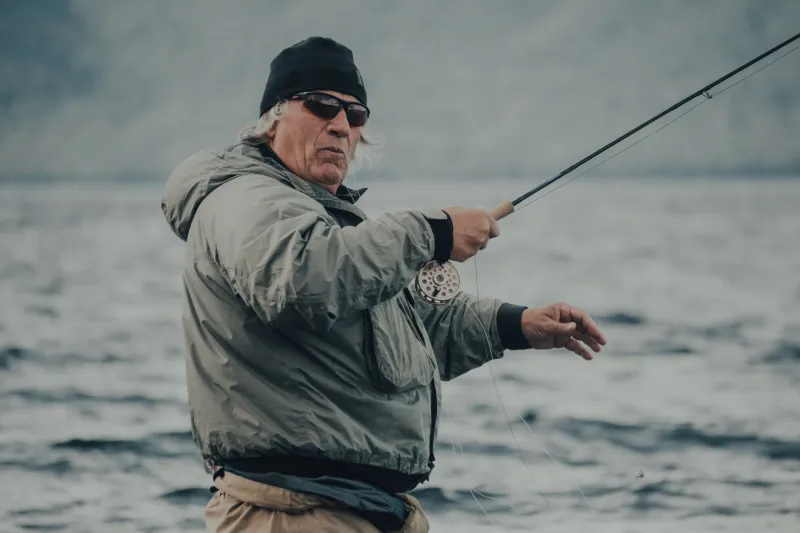
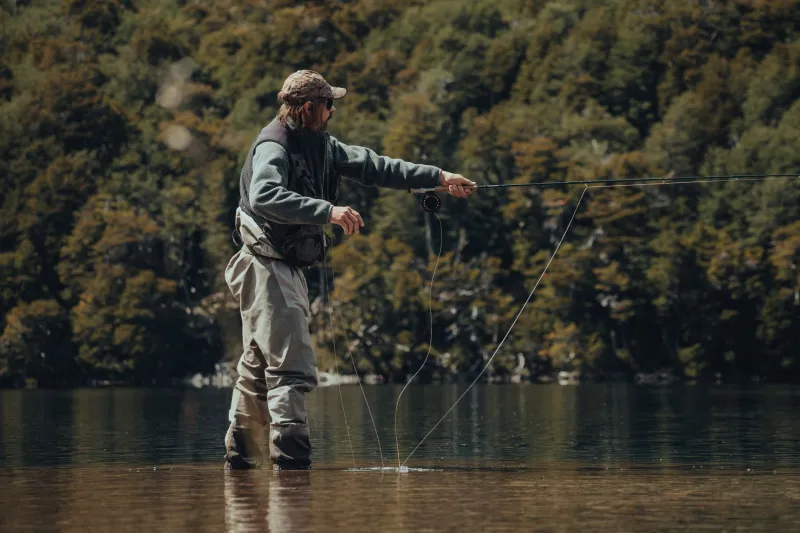
Running Two Flies Isn't a Trick — It's a Tournament-Tested Tactic
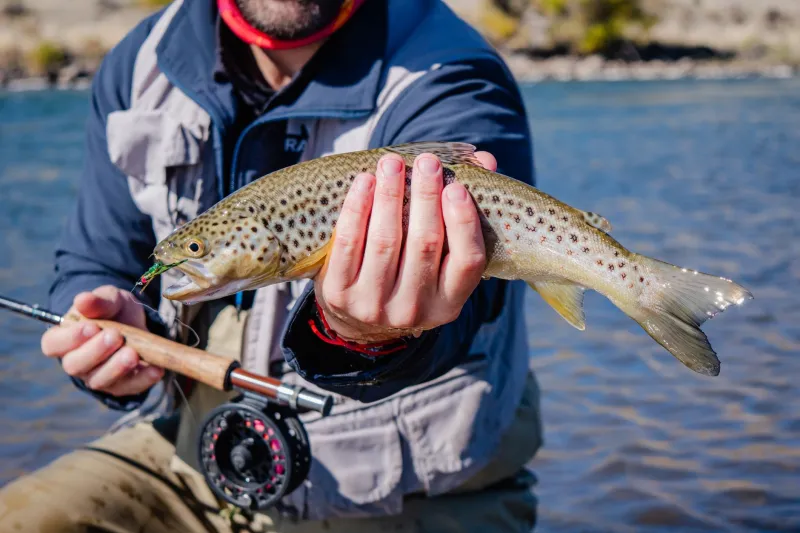
There's a persistent myth floating around fly fishing circles that two-fly rigs are something you hand a beginner before they figure out what they're doing. A training-wheels setup. A hedge for anglers who haven't yet committed to a "real" approach.
That myth doesn't hold up on the Au Sable — and it definitely doesn't hold up when you start looking at how competitive anglers and veteran guides actually fish.
The truth? Running a tandem rig is one of the most deliberate, data-informed decisions a skilled fly angler can make. And if you're still fishing a single fly on Michigan's most storied trout water, you're almost certainly leaving fish behind.
What the Numbers Actually Tell You
Let's start with the basic math. The Au Sable holds a remarkable diversity of trout food at any given moment — emerging mayflies, drifting nymphs, caddis pupae, midges, and the occasional sculpin or crayfish all share the water column at the same time. Fish aren't locked into one food source. They're opportunistic, and their feeding windows can shift within minutes.
When you present a single fly, you're making one bet. When you run two flies — whether that's a dry-dropper setup, a tandem nymph rig, or a streamer-trailer combo — you're running two simultaneous experiments. You're covering two depths, two silhouettes, two color profiles. Every drift becomes a small piece of research.
Guides on the Au Sable have been tracking this informally for years, and the pattern is consistent: clients fishing tandem rigs contact more fish on average, especially during transitional periods when trout are shifting between feeding lanes or switching from one hatch to another. The second fly isn't redundant — it's insurance against the single biggest mistake in fly fishing, which is confidently presenting the wrong pattern.
How Tournament Anglers Think About It
Competitive fly fishing has grown steadily in the Midwest, and the Au Sable corridor has produced some sharp tournament-level thinkers. Ask any of them about their rig philosophy and you'll hear a version of the same answer: in competition, efficiency is everything. You don't have time to retie. You don't have time to guess. You need information fast, and you need to convert when a fish shows interest.
Two-fly rigs accelerate that feedback loop dramatically. If you're running a size 14 Hare's Ear above a size 18 Pheasant Tail and the fish keep eating the trailer, that's not luck — that's a signal. You've learned something about what the trout want at that moment, and you can adjust accordingly. A single-fly angler fishing the same stretch might go thirty minutes without a take and have no idea why. The tandem angler has already gathered three or four data points and is dialing in.
Beyond the information advantage, there's also what experienced tournament fishers call the "trigger effect." Two flies moving in tandem through a run create a slightly different visual signature than a single fly. In pressured water — and the Au Sable sees significant pressure, especially from Grayling downstream through Mio — trout that have been shown the same dry fly a hundred times will sometimes key in on the dropper simply because it's something different. The second fly breaks the visual pattern that pressured fish have learned to ignore.
The Depth Equation
One of the most practical arguments for tandem rigging on the Au Sable is depth coverage. Michigan's trout rivers aren't all riffles and pocket water. The Au Sable has long, deceptively deep glides, undercut banks that hold fish tight to the bottom, and mid-river channels where the feeding lane sits well below the surface film.
A single dry fly fished through those sections might draw the occasional aggressive riser, but the bulk of the trout population — especially the larger browns — are holding deeper. A dry-dropper rig solves this immediately. Your dry fly functions as both a strike indicator and a legitimate food offering at the surface. Your dropper is working the water column below, often right at the depth where the bigger fish are actively feeding.
The same logic applies to nymph-on-nymph rigs. Running a larger, heavier point fly to get your rig down quickly, then trailing a smaller, more delicate pattern on a tippet tag, lets you simultaneously cover the bottom-hugging zone and the mid-column where trout intercept drifting emergers. On a river like the Au Sable, where depth and current speed vary constantly, that flexibility is enormous.
Common Objections — and Why They Don't Hold Up
"Two flies tangle constantly." They can, if your setup is wrong. Proper spacing between flies (typically 18 to 24 inches on the Au Sable's moderate currents), appropriate tippet diameter, and a smooth casting stroke eliminate most tangles. It's a skill, but it's not a complicated one. Most anglers nail it within an afternoon.
"It's too much to manage." Experienced tandem anglers will tell you the opposite — having two flies working actually simplifies decision-making. You're gathering more information per drift, which means fewer wasted casts and faster pattern adjustments.
"I'd rather master one fly before adding another." This is the most understandable objection, and there's some merit to it early in your fly fishing development. But at a certain point, staying with a single fly isn't mastery — it's a comfort zone. The Au Sable will reward you for pushing past it.
Building the Right Tandem Rig for Au Sable Conditions
The specific setup matters, and it should change based on what the river is doing. A few combinations that consistently produce on the Au Sable:
- Dry-dropper for summer hatches: A size 12 or 14 Elk Hair Caddis on top, with an RS2 or Sparkle Pupa dropper 16 to 20 inches below. Deadly during caddis activity from late May through August.
- Double nymph for cold-water periods: A Tungsten Hare's Ear as your point fly, with a small midge larva or Zebra Midge trailing behind. Gets you to the bottom fast in winter and early spring flows.
- Streamer-dropper for aggressive fall browns: A small articulated streamer up front with a soft hackle or nymph on a short dropper. The streamer draws attention; the trailer converts fish that follow but won't commit.
Stop in and talk to us about what's working right now. The Au Sable changes week to week, and the best tandem rig in July isn't necessarily the right call in September. That's exactly the kind of local knowledge we're here for.
The Bottom Line
Fishing two flies isn't about being indecisive. It's about being strategic. The anglers consistently pulling the most fish from the Au Sable — the guides, the tournament competitors, the regulars who know every bend from Roscommon to Mio — aren't stumbling onto tandem rigs as a last resort. They're starting there on purpose.
Your single-fly competitors are making one bet per drift. You can make two. On a river this good, that math matters.