Fish Smarter, Not Harder: How Two Flies Rewire the Way Au Sable Anglers Think
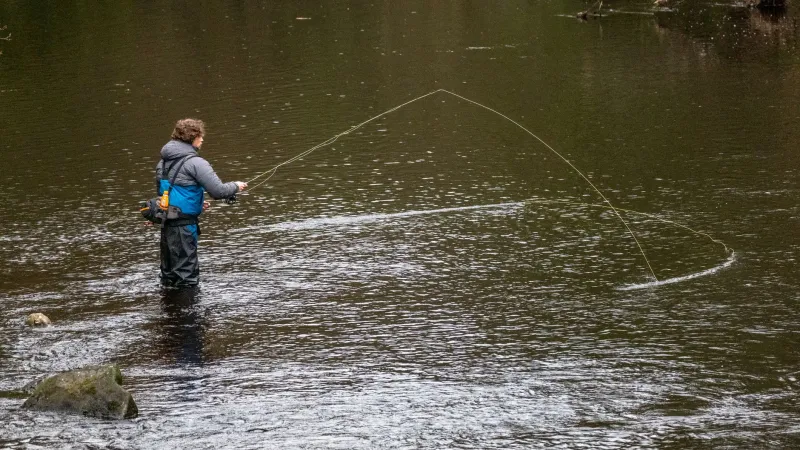
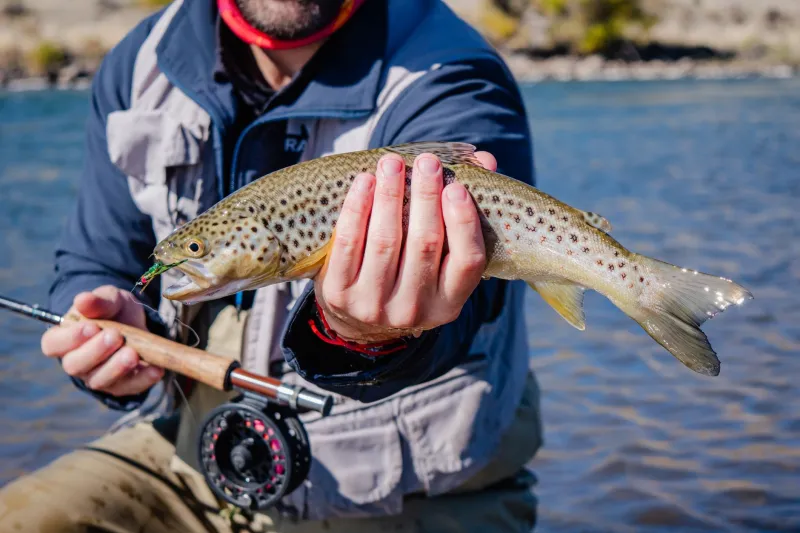
There's a moment most Au Sable regulars can pinpoint — the exact trip where they stopped thinking about two-fly rigs as a gimmick and started treating them as a framework. It usually happens somewhere between Grayling and Mio, standing knee-deep in current that's doing three different things at once, watching a brown trout refuse everything you thought you understood about the river. You add a second fly. You catch the fish. And something clicks that goes well beyond the knot you just tied.
Two-fly fishing, done right, isn't really about the flies. It's about how you approach a problem when the answer isn't obvious.
The Single-Fly Trap
Most of us learned to fish with one fly. Pick the right one, present it well, and trust your read on the water. That's a clean, satisfying way to think about trout fishing — and it works, right up until it doesn't.
The Au Sable has a way of exposing that limitation faster than most rivers. It's a complex system. Water temperature varies dramatically between the spring-fed upper reaches and the broader, slower stretches downstream. Insect life is layered and overlapping — you might have a Sulphur spinner fall happening at the surface while nymphs are tumbling along the bottom and a caddis hatch is just getting started in the riffles. A trout in that environment isn't locked onto one thing. Why would you be?
The single-fly mindset assumes you already know the answer. The two-fly mindset assumes you probably don't — and builds that uncertainty into the strategy from the start.
Running Two Hypotheses at Once
Think of a tandem rig less like fishing two flies and more like running two experiments simultaneously. Your dry fly is a hypothesis. Your dropper nymph is a different hypothesis. Every drift generates data. Every eat — or every refusal — tells you something about where the fish are in the water column, what stage of the hatch they're keyed on, and whether your read on the situation was right.
This is where experienced Au Sable anglers think differently from casual visitors. They're not just hoping one of the two flies works. They're watching the interaction between the rig and the river, using the dry fly as an indicator, noticing when the nymph ticks bottom versus when it's riding too high, adjusting based on what the setup reveals. The two flies become a feedback system.
That kind of thinking — running parallel possibilities instead of betting everything on a single assumption — is genuinely useful outside of fishing, too. It's the same logic behind good troubleshooting, good decision-making under uncertainty, good anything where the variables are messy and the answer isn't written on the box. The Au Sable just happens to be a particularly demanding classroom.
Adaptability Over Ego
Here's the part nobody likes to talk about: fishing one fly is, in some ways, an ego move. You've made a call. You're committed. Changing flies means admitting the call was wrong, and there's a certain pride involved in sticking with your read even when the fish aren't cooperating.
Two-fly fishing quietly dismantles that dynamic. When you're running a dry-dropper combo and the fish starts eating the nymph, you haven't been wrong — you've just learned something. The setup invites that kind of flexibility. You're not defending a position; you're gathering information. It shifts the whole emotional texture of a slow afternoon on the water from frustration to curiosity.
The best guides working the Au Sable will tell you this is one of the harder things to teach. Technical skills — mending, reading current seams, tying a blood knot in the dark — those come with practice. But the willingness to stay genuinely open to being wrong, to let the river tell you what's happening rather than insisting on your own interpretation? That takes longer. Two-fly rigs have a way of nudging anglers in that direction whether they're ready for it or not.
Complexity Is the Point
There's a temptation, especially among newer anglers, to treat complexity as a problem to be solved once and then filed away. Learn the hatches, memorize the flies, figure out the good runs — and then just execute. The Au Sable resists that approach pretty aggressively. It's a river that changes, sometimes dramatically, between seasons and even between mornings. What worked last Tuesday might be completely irrelevant by the weekend.
Two-fly fishing is built for that kind of environment precisely because it doesn't pretend the complexity goes away. It leans into it. You're not trying to reduce the river to a single correct answer; you're building a rig that can respond to multiple possibilities at once. That's a fundamentally different relationship with uncertainty — not fighting it, but designing around it.
Some of the most thoughtful anglers on the Au Sable will tell you that's the real appeal of tandem rigs, underneath all the practical benefits. It keeps you engaged with the full picture of what's happening in the river rather than narrowing your attention down to one variable. The river stays interesting. The problem-solving never really stops.
What This Looks Like on the Water
Practically speaking, the two-fly mindset shows up in small decisions throughout a day on the river. It's the angler who switches the dropper before changing the dry, because the dry might be doing its job as an indicator even if it's not getting eats. It's the willingness to run an unconventional combination — a big stonefly dropper under a small Elk Hair Caddis — because the hypothesis is interesting even if it's not orthodox. It's the habit of noticing which fly produced and asking why, rather than just moving on to the next run.
None of this requires a graduate degree in entomology or years of experience on technical water. It just requires a shift in how you frame the question. Instead of asking "what's the right fly," you start asking "what can I learn from this drift?" That's a better question. It's a more honest question. And on a river as rich and demanding as the Au Sable, it tends to produce better answers.
The two-fly rig is, at its core, a commitment to staying curious. And on this river, that might be the most important piece of gear you can bring.