Pool Politics: Navigating Crowded Water on the Au Sable Without Making Enemies
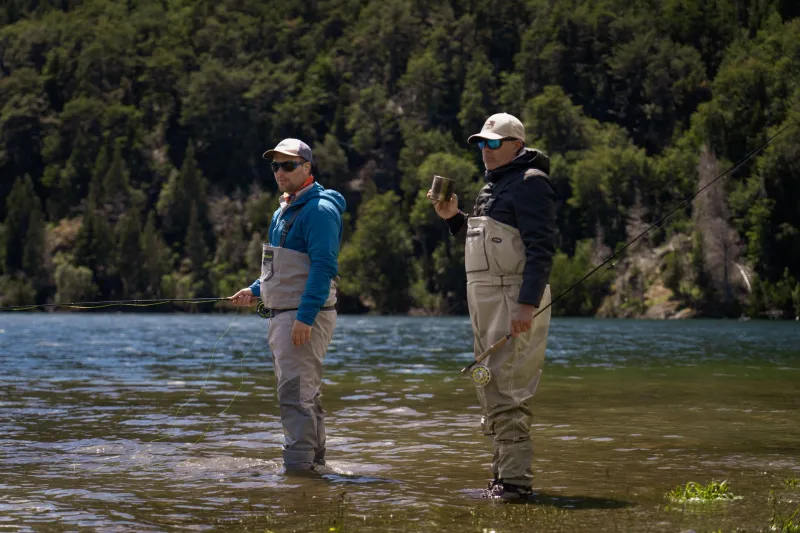
It was a Saturday in late June. The Hex hatch had been building for days, and by mid-morning the Holy Water stretch looked like a parking lot with waders. Two anglers were working the same bend from opposite banks. A drift boat was anchored just upstream of a guy who'd been standing in that exact spot since before sunrise. Nobody was talking. Everybody was tense.
Sound familiar?
The Au Sable is one of Michigan's crown jewels, and word has gotten out. More anglers are discovering the river every season, which means more competition for the best pools, the best hatches, and the best conditions. How the community handles that growth — how you handle it — matters more than most people want to admit.
This isn't a lecture. It's a practical guide from people who've been on both sides of these situations.
First In Doesn't Always Mean Forever
There's a common assumption on rivers everywhere: whoever got there first owns the water until they leave. On the Au Sable, that understanding exists too, but it comes with some nuance that's worth unpacking.
If someone is actively fishing a pool — working through it methodically, clearly engaged — give them the space to finish their pass. That's basic courtesy and it's universal. But "first in" doesn't grant indefinite possession of a hundred-yard run while you take a thirty-minute break to eat lunch on the bank. The unwritten rule is that active fishing earns the water. Parking earns a spot.
Veteran guides on the Au Sable will tell you that the anglers who generate the most conflict are usually the ones who claim water they're not actually fishing. If you need a break, step back from the bank. Let the water rest and let other anglers know they're welcome to move through.
The Approach Conversation — And Why You Should Have It
Here's something that almost nobody does but almost everyone should: just talk to the other angler before you set up anywhere near them.
Walk over, keep it brief, be friendly. "Hey, mind if I work the lower end of this pool while you're on the upper section?" That thirty-second conversation eliminates ninety percent of the tension that builds when two people are silently negotiating space while trying to pretend they don't see each other.
Most anglers on the Au Sable are reasonable people who came out here for the same reasons you did. They want a good day on the water. When you treat them like a partner in that goal instead of an obstacle to it, the dynamics shift completely. You might even learn something — where the fish are holding, what they're eating, whether the stretch downstream is worth walking to.
The approach conversation works on drift boats too. If you're floating and you see a wade angler working a run, call out from upstream. Ask if they want you to row wide or pull off. Most of the time they'll wave you through. Sometimes they'll ask for a few more minutes. Either way, you've done the right thing and you haven't torched the mood for anyone.
Reading the Unwritten Rules of Au Sable Culture
Every river has its own social culture, and the Au Sable is no different. Some of what governs behavior here isn't posted on any sign or written in any regulation. It's passed down through seasons and conversations and the occasional awkward standoff that becomes a story told at the fly shop counter.
A few things that experienced Au Sable anglers generally agree on:
Don't wade through water someone is actively fishing. This one seems obvious but it happens constantly, especially from anglers who are heads-down focused on their own drift and not paying attention to what's upstream. Before you wade a new section, look around. Know who's there and where they're working.
Drift boats and wade anglers share the river — but drift boats move. Float fishers have a responsibility to minimize disruption to wade anglers where possible. That means rowing wide around actively fished pools when you can, not anchoring directly upstream of a wading angler, and keeping noise down when you're passing through. In return, wade anglers should understand that the river is public and boats have a right to float it.
The Hex hatch changes everything. During peak Hex season, the Holy Water and other popular stretches get genuinely crowded after dark. Headlamps are bright, wading sounds carry, and nerves get frayed. The expectation is that everyone compresses a little during these peak events and extends a little extra patience. It's a shared experience, even when it doesn't feel like one.
Conflict Resolution When It Goes Wrong
Sometimes, despite everyone's best efforts, things get tense. Maybe someone rolled into your pool without a word and started casting. Maybe a drift boat anchored somewhere that felt inconsiderate. What then?
The guides who've been on the Au Sable for decades will tell you the same thing: de-escalate first, every time. A calm, direct conversation almost always resolves the situation better than a confrontation does. Most people who step on your water aren't trying to ruin your day — they're just not paying close enough attention.
If a conversation doesn't help and someone is genuinely being unreasonable, your best move is usually to move. There's more river than most people realize. The Au Sable is long, and the fish don't all live in the same pool. Some of the best fishing happens in the stretches nobody's fighting over.
The river will still be here tomorrow. So will the fish. Don't let a bad interaction with one person color the whole experience.
Building the Kind of River Culture Worth Protecting
The Au Sable's reputation as one of the great trout rivers in the country isn't just about the fish or the water quality or the hatches — though all of those things are exceptional. It's also about the community of anglers who care enough to fish it right.
Every time you extend a little courtesy, start a conversation instead of a standoff, or pull back from a pool to let someone else through, you're contributing to something bigger than your own catch count. You're helping build and maintain a river culture that makes this place worth coming back to.
That's worth more than any pool.