Let Your Flies Get Ugly: An Argument for Fishing the Ratty Ones

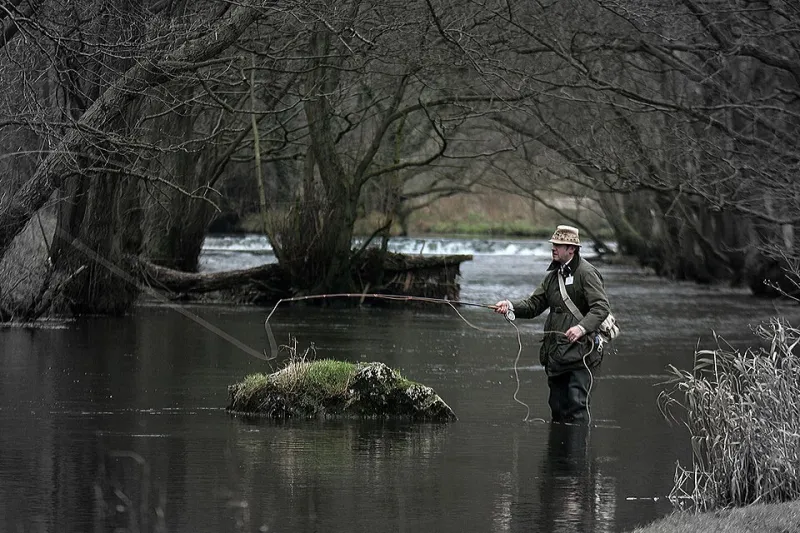
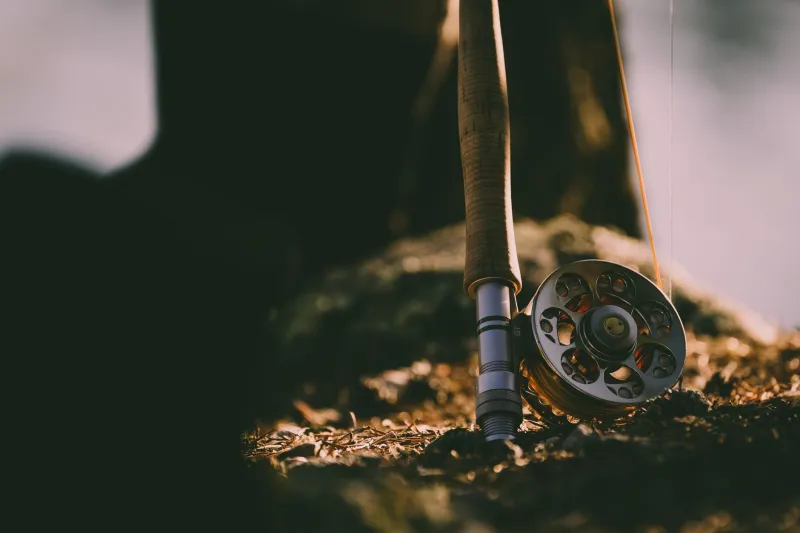
Photo by Photo by Megan Watson on Unsplash on Unsplash
Confession From the Corner of the Box
There's a Stimulator in my box that has been through four seasons, two resurrections, and at least one incident with a branch that I'd rather not describe. The hackle is a mess. The body is more fish slime than dubbing at this point. Three of the ribs have unraveled into something resembling a bad haircut.
It has out-fished every fresh Stimulator I've ever tied.
I'm not saying that as a humblebrag about my tying. I'm saying it because I've watched the same thing happen to guides, to beginners, and to a stubborn old-timer on the South Branch who fishes flies that look like they lost a fight with a shop vac. There's something real going on here, and it's worth examining without the usual mysticism.
Trout Are Not Art Critics
Most of what we call "matching the hatch" is a human obsession dressed up as biology. Trout are keyed in on a handful of triggers: size, silhouette, movement, and how the thing sits in the surface film or drifts in the current. They are not evaluating hackle density. They do not care that your dubbing is the wrong shade of olive.
A chewed-up fly often has a sparser, softer profile than a brand-new one. Materials break down, hackle gets crushed, and the whole thing starts behaving more like an actual bug—which means it lands softer, sits lower, and moves with the water instead of against it. Fresh flies can be too perfect. Too stiff. Too much like a craft project and not enough like something alive.
The Chewed Fly Advantage
Here's what a mangled fly actually does better.
It lands quieter. Crushed hackle and matted material absorb impact. On flat water where a splashy presentation sends fish running, that matters more than pattern selection.
It sits where bugs sit. A fly that's lost some bulk rides in the film instead of teetering on top of it. Trout see the difference even when you can't.
It's already broken in. Materials that have been wet and dried a dozen times take on a translucency that looks less like dyed feathers and more like a natural.
It comes with confidence. This is the unscientific one, and the most powerful. You fish a fly you believe in with better drifts, better patience, and better attention. That's not nothing.
A Story About One Ugly Nymph
Two Octobers back, I was working a slow pool on a cold afternoon with a size 16 pheasant tail I'd been fishing hard for weeks. Tail fibers bent, wire slipping, the whole thing looking like something you'd pull out of a drain.
I'd already changed flies twice out of sheer restlessness. On a whim I tied the ugly one back on. Second drift, the indicator stopped flat. Big brown, mid-teens, sitting in water I'd already fished.
Maybe the fly mattered. Maybe the drift mattered. Maybe the difference was that I stopped fidgeting and fished like I meant it. In practice, all three things are the same thing. A fly you trust makes you a better angler for the next ten minutes. That's the whole mechanism.
The Box Philosophy Nobody Teaches
Most anglers have two boxes: the good one and the fly graveyard. The problem is that the graveyard is where the good fishing lives, and we only visit it when we're desperate.
Here's a better system.
Keep a working box. Rotate five or six patterns you actually fish, not thirty you like to look at. Let them get destroyed.
Retire on structure, not on aesthetics. A fly is done when the hook point won't hold, the materials have unraveled past the point of holding a shape, or the whole thing is too waterlogged to float or sink properly. Faded, chewed, and fuzzy? That's not retirement, that's seasoning.
Sharpen hooks religiously. An ugly fly with a sharp hook outfishes a beautiful fly with a dull one by a mile. A few strokes with a file at the bench and again on the water will save you more fish than any pattern change.
Dry your flies properly. Rot, not wear, is what actually kills a fly. Air them out after every trip and they'll last long enough to get genuinely ugly.
Don't trim unless you have to. The instinct to tidy up a fly is usually wrong. Trim the tail if it's wrapped around the bend. Leave the rest.
Where Ugly Goes Too Far
There's a limit, and it's mechanical, not cosmetic. If the hook is bending under pressure, if the thread base is failing and the whole fly slides on the shank, if the materials have matted into a solid lump that no longer moves in the water—retire it. Keep the memory, lose the fly.
And check your knots after every fish. A chewed fly with a frayed tippet is a fly you'll lose along with the fish that ate it.
Permission Slip
Somewhere in your box is a fly you've been saving. Maybe it's the last one of a pattern you can't buy anymore. Maybe it's just too pretty to destroy. Pull it out, tie it on, and fish it until it falls apart.
Saving a fly for a special occasion on the Au Sable is like saving a good bottle for a day that never arrives. The trout aren't grading your work. They're eating bugs—and the ugliest thing in your box might be the closest thing to one you own.