What's in the Little Box: The Au Sable Repair Kit That Pulls Its Weight

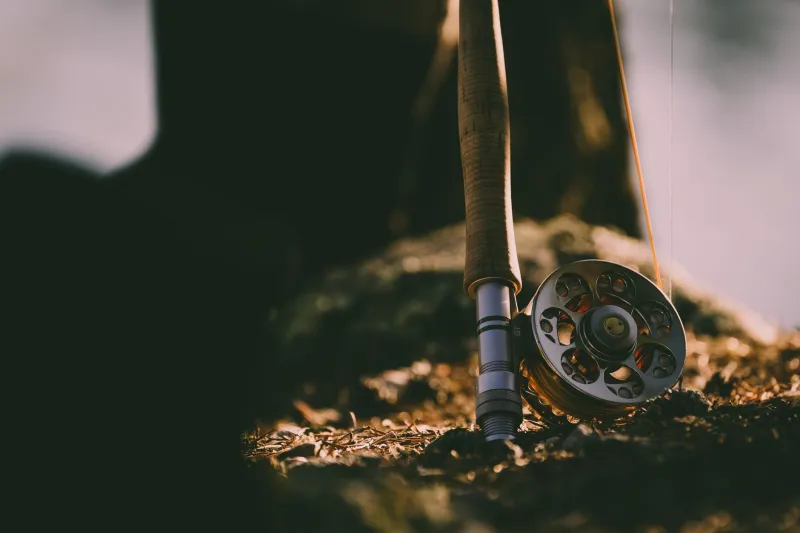
Photo by Photo by taichi nakamura on Unsplash on Unsplash
Every angler carries a repair kit. Most carry a museum of good intentions: a fifty-piece tool set, three kinds of tape, a spare reel they will never need, and a roll of duct tape that has melted into a solid puck. On the Au Sable, weight and space matter. You are often walking a quarter mile or more from the truck, and the last thing you want is a tackle bag that feels like a loaded cooler.
The kit should match the failures you actually see on the river. Not the disasters you imagine in the parking lot. Here is the small collection that earns its place.
Start With the Failures You Actually See
The common riverbank failures are boring. A ferrule works loose. A guide gets bent or lost. A seam opens in a wader. A bootlace snaps. A reel screw backs out. A zipper jams. None of these require a full workshop. They require five minutes, the right small part, and enough light to see what you are doing.
Ferrule Wax: The Five-Second Fix
A loose ferrule is the quiet killer of a good drift. You make a cast, the rod feels off, and suddenly the top section is twisting. A small tin of ferrule wax lives in the kit forever. Use it sparingly. Too much wax attracts grit. The point is a snug fit, not a glued one.
Spare Guides and a Small Spool of Thread
A bent guide can sometimes be nursed back into shape. A missing guide cannot. Carry one or two spare snake guides, a small spool of rod-winding thread, and a tiny tube of rod epoxy or superglue. This is not a permanent repair, but it can get you through a trip. If a guide is lost, wrap the new one in place, glue it, and fish carefully. Avoid power casts until the rod gets proper attention.
Wader Patches and Aquaseal
Wader leaks are the classic Au Sable trip-ender. A pinhole in the bootie or a seam failure can turn a cold morning into a short one. Carry a patch kit and a small tube of urethane repair adhesive. Clean the area, dry it as best you can, apply the patch, and give it time. A field repair is not pretty. It does not need to be. It needs to keep the water on the outside.
Boot Laces and a Backup Strap
A snapped bootlace is a stupid way to end a day. Carry a spare lace or a length of cord that can serve as one. A small backup strap or zip tie can also save a broken wading boot buckle. This is the kind of item you forget until you need it, and then it is worth its weight in gold.
Reel Tools, Pliers, and a Tiny Screwdriver
Reels do not fail often, but when they do it is usually a screw, a loose spool, or a line guard issue. A small screwdriver and a compact pair of pliers cover most field adjustments. Add nippers, of course, and a hook file if you fish dull hooks. Leave the full multitool at home unless it is genuinely small. The goal is a repair kit, not a hardware store.
The Odds and Ends That Earn a Slot
A few small items punch above their weight: a tiny bottle of UV resin or head cement, a couple of zip ties, a small strip of emery cloth, and a spare strike indicator. A short length of leader material can substitute for a broken boot lace or a temporary fix on a line. A small zip-top bag keeps the whole kit dry and visible.
What to Leave at Home
The full socket set. The third backup reel. The folding saw. The giant first-aid kit that stays buried under the boat seat. Keep a real first-aid kit in the vehicle or boat, but do not duplicate the entire medicine cabinet in your vest. Leave the duplicate rod unless you are on a multi-day trip. Leave the bulk duct tape. A small roll or a few wrapped strips are enough.
The Shop-Ready Checklist
Ferrule wax. Spare guides. Rod thread. Small adhesive. Wader patches. Spare bootlace. Zip ties. Small screwdriver. Pliers. Nippers. Hook file. UV resin or head cement. Small dry bag. That is the kit. It fits in a pocket or a small pouch, and it solves the problems that actually strand anglers on the Au Sable.
Build the kit once, check it before the season, and replace what you use. A repair kit is not a talisman. It is a working box of small solutions. Keep it small enough that you actually carry it.