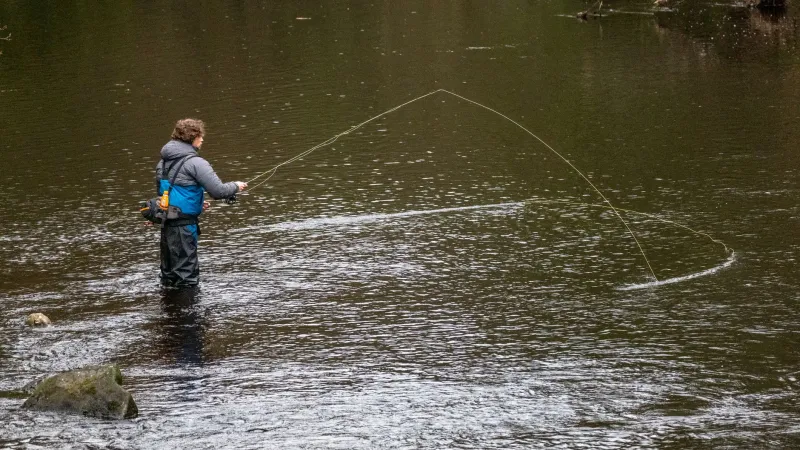
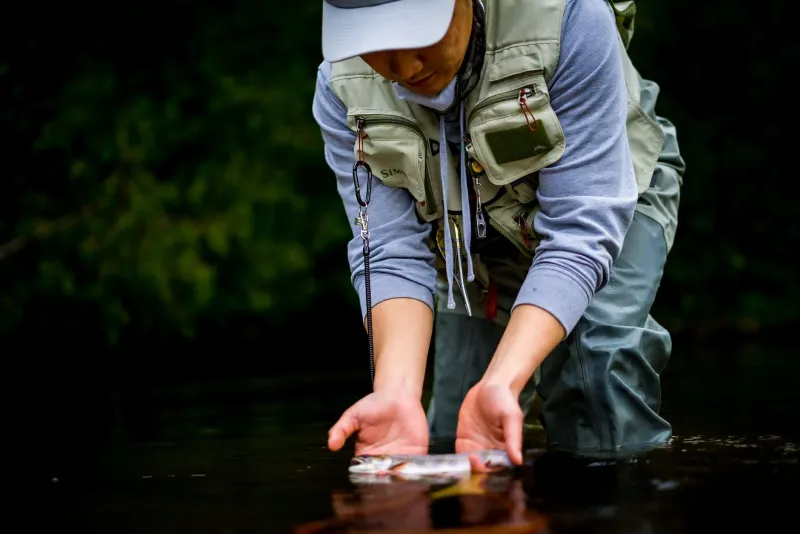
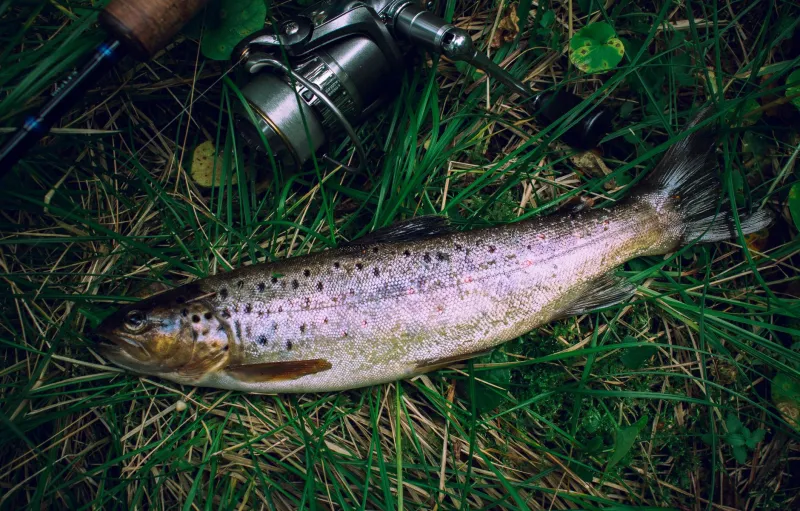
From Dogma to Double Rigs: How Au Sable Veterans Finally Let Go of the One-Fly Rule
There's a certain kind of fly angler who treats the single-fly presentation like a moral code. One hook, one pattern, one chance — anything more feels like cheating, or at least like admitting you don't fully trust yourself. On the Au Sable, that attitude ran deep for a long time. And honestly? It made some sense. This river has a reputation for producing anglers who can read water, match a hatch, and drift a size-18 Adams through a seam so cleanly it barely disturbs a molecule. Precision was the whole point.
But something shifted. Quietly at first, then unmistakably. The guides started rigging tandem setups for clients who weren't beginners. The veterans who'd been fishing the Holy Waters since before GPS coordinates existed started showing up with two flies on their lines. And when you asked them about it, they didn't apologize. They explained.
The Tradition That Held On Too Long
Fly fishing has always carried a certain amount of mythology about what's "proper." The Au Sable, with its rich history of conservation, its dedicated catch-and-release culture, and its association with legendary figures in American fly fishing, attracted anglers who took that mythology seriously. Single dry fly presentations weren't just a technique — they were a statement of intent. You were committing to the surface game, to reading the rise, to earning each fish through observation and craft.
Nobody's saying that philosophy was wrong. It produced some exceptional anglers and some deeply memorable days on the water. But it also created a blind spot. When conditions weren't cooperating, when fish were holding deep or feeding subsurface in ways that defied a clean hatch match, a lot of those same purists were quietly struggling. They'd rotate through their boxes, try a dozen single patterns, and walk away convinced the fish just weren't eating. Sometimes that was true. Often, it wasn't.
"I spent probably five years being too proud to add a dropper," admits one longtime guide who's been working the main stream and North Branch for over two decades. "I'd watch clients on other boats landing fish and tell myself they were just getting lucky. Eventually I had to be honest with myself. They weren't getting lucky. They were fishing smarter."
What Two Flies Actually Teach You
Here's the thing nobody tells you about running a tandem rig: the real value isn't just the extra fly. It's what the extra fly forces you to think about. When you're fishing two patterns — say, a dry on top and a nymph or emerger trailing behind — you're suddenly gathering information from two different zones of the water column simultaneously. Every drift becomes a small experiment.
If the fish are ignoring your dry but hammering the dropper, that tells you something critical about where they're feeding and why. If both flies get looked at but neither gets eaten, that's a different kind of data. Over time, that feedback loop rewires how you interpret the river. You stop making assumptions about where fish are holding and start letting the river answer your questions directly.
Veteran Au Sable angler and part-time instructor Kira Donahue puts it plainly: "The single-fly approach made me a good observer. The two-fly approach made me a better listener. I started understanding what the fish were actually doing instead of what I thought they should be doing."
That distinction — observation versus genuine understanding — is exactly what separates competent anglers from great ones on a technically demanding river like the Au Sable.
The Psychological Hurdle
Let's not pretend the shift was purely logical. For a lot of anglers, dropping that second fly felt like a concession. Like admitting the river had beaten them. There's ego wrapped up in the single-fly tradition, and untangling that takes some honest self-reflection.
But guides who've made the transition consistently describe a sense of liberation rather than defeat. When you're no longer committed to a single approach as a point of pride, you become more adaptable. You stop forcing situations to match your preferred method and start letting the conditions tell you what to do. That flexibility, it turns out, is one of the most valuable skills an Au Sable angler can develop.
"I used to feel like running two flies was somehow giving up on the craft," says one North Branch regular who's been fishing the Au Sable for thirty-plus years. "Now I think the opposite. Understanding when to use two flies, which patterns to pair, how to manage the presentation — that's more craft, not less."
Building a Rig That Respects the River
The Au Sable demands a certain humility in rigging. This isn't a big western freestone where you can throw heavy split shot and a chunky streamer dropper and call it a day. The water is clear, the fish are educated, and sloppy presentations get punished quickly.
Most experienced tandem anglers on the Au Sable keep things clean and intentional. A size-14 or 16 dry fly — something with enough surface footprint to support a small dropper without dragging under — paired with an emerger or soft hackle on 18 to 24 inches of tippet. The goal is a natural, drag-free drift where both flies behave like they belong there. Weight, when used at all, is minimal. Leader geometry matters more than most people realize.
The flies themselves should work together conceptually, not just mechanically. If you're fishing a caddis hatch, your dry might be an Elk Hair Caddis while your dropper is a soft hackle caddis pupa. You're presenting the same food source at two stages of emergence — the fish get to vote on which one they prefer, and you learn something either way.
The Bigger Shift
What's really happened on the Au Sable over the past decade or so isn't just a tactical adjustment. It's a philosophical one. The anglers who've embraced tandem rigs aren't abandoning precision or craft — they're expanding what those words mean. Precision used to mean placing one fly exactly right. Now it means reading the river well enough to know what two flies to tie on, how to rig them, and where to put them.
The best guides on this river have always understood that dogma is the enemy of improvement. The single-fly tradition gave the Au Sable community something valuable: a standard of care and intentionality that still defines how people fish here. But the two-fly philosophy builds on that foundation rather than tearing it down.
If you're still holding out, still convinced that the second fly is a crutch, consider this: the anglers who know this river most intimately, who've spent thousands of hours reading its currents and its fish, largely disagree with you. That's worth at least a little reflection — and maybe one more fly on your line.