Spots, Fins, and a Fighting Chance: How Brook Trout Are Reclaiming the Au Sable
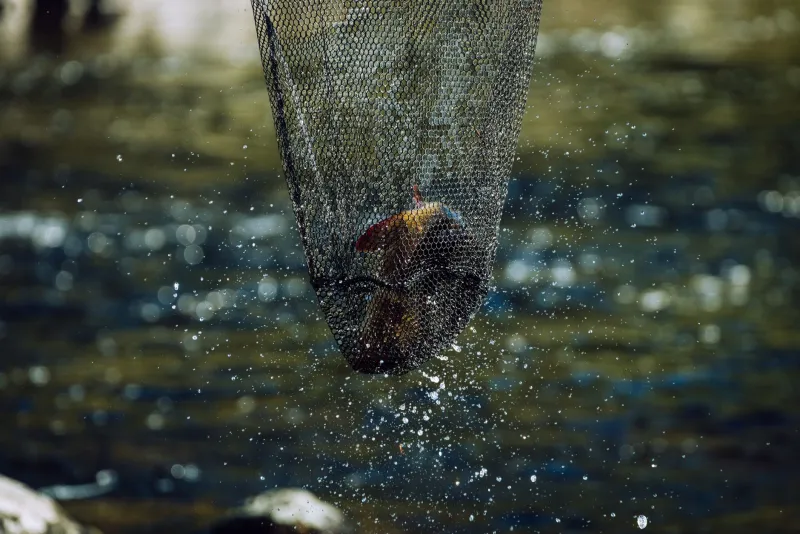
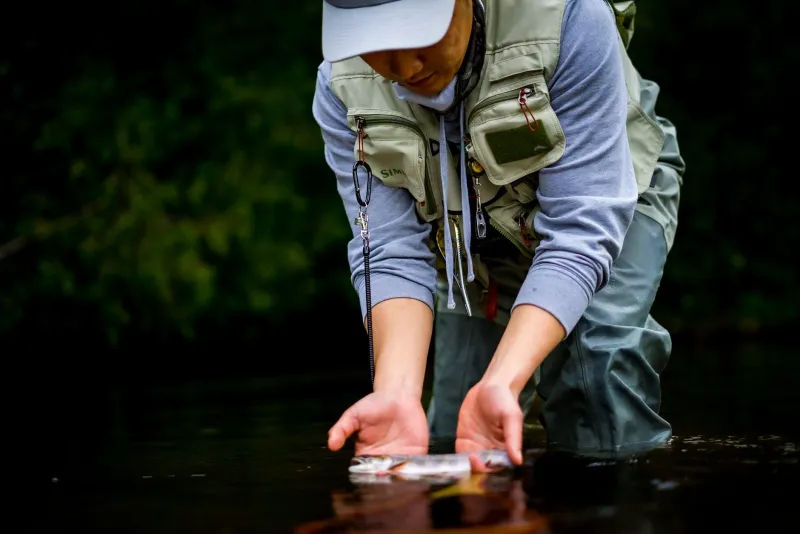
There's a particular kind of quiet excitement that ripples through the fly fishing community when a native species starts showing up where it hasn't been seen in a long time. That's exactly what's been happening on certain stretches of the Au Sable River over the past several years, and if you've been paying attention—really paying attention—you may have already spotted a flash of orange-bellied color that doesn't belong to a brown or a rainbow.
Brook trout are coming back. And for anglers who take the time to understand why, and what it means for how they fish, this is one of the more interesting developments on Michigan's most storied river in recent memory.
Why Brook Trout Disappeared in the First Place
It helps to understand the history before you can appreciate the recovery. Brook trout—technically a char, not a true trout—were once the dominant salmonid across much of Michigan's northern Lower Peninsula. The Au Sable's cold, spring-fed headwaters were prime brookie habitat long before the first fly rod ever touched this water.
But decades of logging, agricultural runoff, warming water temperatures, and the deliberate stocking of non-native brown and rainbow trout pushed brook trout out of most of their historic range. Browns and rainbows are aggressive competitors. They outcompete brookies for food and territory, and they tolerate slightly warmer, less oxygenated water—which gave them a massive advantage as land use practices degraded many of the cold-water tributaries brookies depend on.
By the mid-20th century, wild brook trout on the mainstream Au Sable had become something of a rarity. You'd find them tucked into cold feeder streams, in headwater pockets, in places where the water stayed cold enough and the competition thin enough for them to survive.
What's Driving the Recovery
The comeback is the result of several overlapping efforts, none of which happened overnight.
Trout Unlimited chapters in Michigan—particularly those focused on the Au Sable watershed—have spent years working on cold-water tributary restoration. That means removing barriers to fish passage, stabilizing eroding streambanks, replanting riparian vegetation, and partnering with landowners to reduce agricultural impacts on feeder streams. When a cold tributary runs cold and clean, brook trout follow.
Climate is a complicated factor here. While warming trends have generally been bad news for cold-water species, some localized improvements in land management have helped maintain groundwater inputs that keep certain sections of the Au Sable and its tributaries cooler than they'd otherwise be. Spring-fed systems are more resilient than surface-runoff-dominated streams, and the Au Sable's spring-fed character has been its salvation in some respects.
Michigan DNR has also adjusted stocking practices in some areas, reducing or eliminating brown trout stocking in specific headwater reaches to give native brookies room to reestablish. Wild fish reproducing in wild habitat—that's always the goal, and it's starting to show results.
How Brook Trout Behave Differently
Here's where it gets interesting for anglers. If you've spent most of your Au Sable time chasing browns, you're going to have to rewire some instincts.
Brook trout are less wary than brown trout. They're not dumb—they're just wired differently. Browns have been hunted hard by generations of anglers and have developed a reputation for being selective and spooky. Brookies, particularly wild ones in less-pressured water, tend to be more opportunistic. They'll hit a dry fly with enthusiasm that can feel almost reckless compared to the careful sipping you sometimes see from a big brown.
That said, they're also smaller on average. A 12-inch brook trout on the Au Sable is a genuinely good fish. A 14-incher is something to remember. Don't let the size fool you, though—pound for pound, a wild brookie fights with a spirit that's hard to match.
Their habitat preferences are also distinct. Brook trout gravitate toward the coldest, most oxygenated water they can find. That means headwater sections, areas near spring seeps, shaded stretches with overhead canopy, and the mouths of cold tributaries. If you're fishing a sunny, exposed run in August and wondering where the brookies are, they're not there. Back off the main river, find where a cold feeder enters, and look for the shadows.
What Patterns and Tactics Work
Brook trout respond well to small, accurate presentations. They're not going to move 10 feet for a fly the way a big brown sometimes will. Get close to the seam, drop the fly in the right lane, and be ready.
For dry fly fishing, small attractor patterns work well—Elk Hair Caddis, Stimulators, and parachute-style flies in sizes 14 to 18 tend to draw strikes. Brookies aren't as hatch-dependent as browns in many situations, though they'll certainly key in on a good emergence. Wets and soft hackles are criminally underused on brook trout—swing a soft hackle through a cold tributary mouth and see what happens.
Nymphing with small bead-head patterns works, too. Keep your tippet light and your approach stealthy. The water where brook trout live is often tight and clear, and these fish have eyes.
Why This Matters Beyond the Catch
The return of brook trout to the Au Sable isn't just a fishing story. It's an ecological indicator. Native species recovering in a watershed tells you something good is happening—water quality improving, habitat being restored, the system moving toward something closer to its historic balance.
For anglers who care about the river as much as they care about what they pull out of it, that's worth celebrating. And for those who haven't yet targeted brookies specifically, now might be the right time to start. Find the cold water, slow down, fish small, and see what's waiting for you in the spots most folks walk right past.
The Au Sable has always been a river with layers. Brook trout are one of the oldest layers of all, and they're making their case to be part of the story again.