Bobber Theology: Reading Au Sable Anglers by Their Strike Indicators
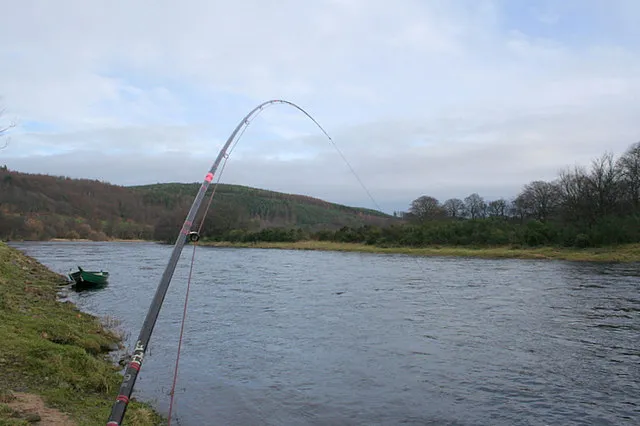
Photo: Des Colhoun, CC BY-SA 2.0, via Wikimedia Commons
Fly anglers like to pretend they are above tribalism. Then you ask what kind of strike indicator they use, and the room divides into factions faster than a church picnic over potato salad. On the Au Sable, where the water is clear, the fish are pressured, and everyone has an opinion, the indicator on the leader is a little billboard. It tells you how they fish, what they trust, and how they feel about admitting they are nymphing.
This is not a scientific survey. It is a field guide, assembled from years of watching anglers rig up in parking lots, swap stories at the shop counter, and defend their choices with the seriousness of people arguing about barbecue. Treat it with the affection it deserves.
The Yarn Purist
You will spot them by the small tuft of yarn above the knot, usually in a muted color that blends with the river. They will tell you it is more sensitive than foam, more natural than plastic, and easier to adjust. They may also tell you that yarn is the only indicator that does not insult the fish. This is said with a straight face.
The yarn purist is usually a good nymph angler. They pay attention to drift and they do not need a big visual cue. They are also the person most likely to spend ten minutes explaining why the exact shade of yarn matters. Listen politely. They are probably right about the drift.
The Foam Traditionalist
The foam indicator is the minivan of the Au Sable: practical, common, and quietly reliable. The foam traditionalist is not trying to make a statement. They want to see the take, adjust the depth, and get back to fishing. They carry a few sizes in a vest pocket and they have probably been using the same brand for a decade.
This angler is often the easiest to fish with. They are not going to judge your rig, and they are not going to lecture you about your leader. They will, however, notice if you are dragging. Foam users tend to be honest about presentation because the indicator tells them the truth.
The Dry-Fly Holdout
The dry-fly holdout would not be caught dead with an indicator, and they want you to know it. They will fish a dry fly through a hatchless afternoon, convinced that the next rise is coming. Sometimes they are right. More often they are just enjoying the cast.
There is no point arguing with this angler. They are not fishing for numbers. They are fishing for the moment when the surface breaks and everything else goes quiet. If you offer them a nymph rig, they will smile and say they are good. Believe them.
The Tight-Line Convert
The tight-line nympher has no indicator at all, just a sighter and a lot of focus. They will tell you they do not need a bobber because they feel the take. They may be telling the truth. They also may be the person who catches three fish while you are still adjusting your indicator.
This angler is often younger, or at least newer to the style, and they are enthusiastic about it. They will explain European nymphing to you whether you asked or not. The good ones are worth watching. The bad ones are worth watching too, because they are usually tangled.
The Big-Box Bobber Angler
The big-box bobber angler has an indicator that is roughly the size of a golf ball and brightly colored enough to be seen from the road. They are not worried about spooking fish. They are worried about missing the take. They are also probably having a good time.
There is no shame in this. On high, dirty water, a big indicator can be the right tool. The mistake is using it in low, clear winter flows where a trout has plenty of time to inspect your rig and decide against it. If you see one of these in February, gently suggest a smaller option.
The Tinkerer
The tinkerer has tried every indicator on the market and has opinions about all of them. They own adjustable foam, putty, yarn, and at least one gadget that requires a YouTube tutorial. Their vest is a museum of good intentions.
The tinkerer is not necessarily a bad angler. They are curious. They like solving problems. The risk is that they spend more time rigging than fishing. If you fish with one, set a timer. Otherwise you will be standing on the bank while they explain the difference between two nearly identical pieces of foam.
What Your Indicator Says About the Water
Here is the useful part. Indicator style should match conditions. In low, clear water, go small and subtle. In high, off-color water, you can get away with more. In deep runs, you need enough buoyancy to see the take. In shallow riffles, a big indicator will spook fish and make it harder to detect a subtle stop.
The best anglers are not loyal to one style. They carry a few options and change as the river changes. That is the real lesson. Your indicator is a tool, not a personality test. But it is also a conversation starter, and on the Au Sable, we are always ready for a conversation.