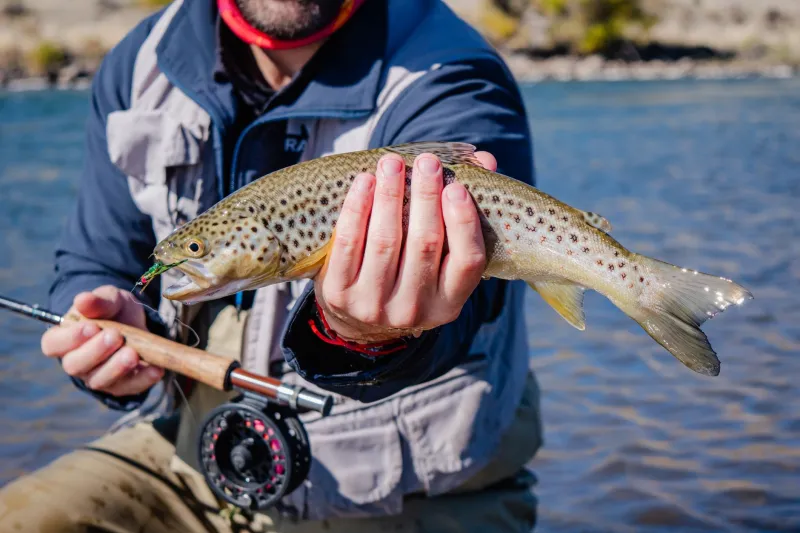
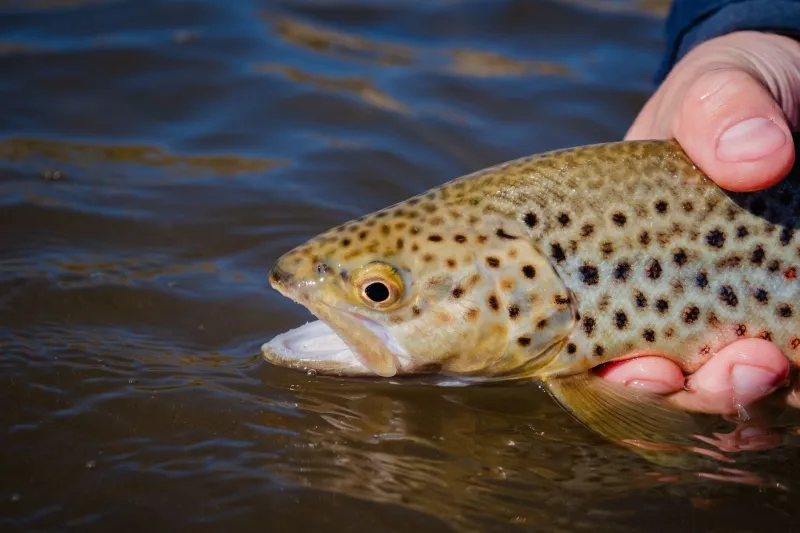
Beyond the Hex: The Au Sable's Underdog Hatches That Serious Anglers Keep to Themselves
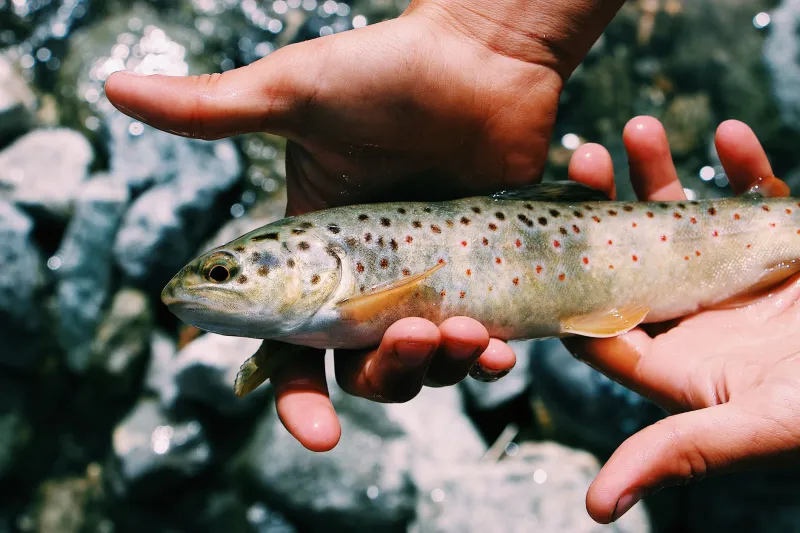
Ask any visiting angler why they're headed to the Au Sable, and nine times out of ten the answer involves the Hex hatch. And sure, watching brown trout crash Hexagenia limbata spinners on a warm June night is as good as fly fishing gets anywhere in the country. But here's the thing — the anglers who consistently put up numbers on this river aren't just waiting around for the famous stuff. They're keyed into a whole calendar of emergences that most folks walk right past.
We're talking about the caddisflies, stoneflies, midges, and oddball aquatic bugs that don't make the glossy magazine covers but absolutely make the fish eat. Get dialed into these, and you'll find yourself having banner days on water that looks completely dead to the angler in the next pool over.
Why the Overlooked Hatches Matter More Than You'd Expect
Trout are opportunists with a good memory. When a particular insect shows up in numbers, fish start keying on it hard — sometimes to the exclusion of everything else. That's the principle behind matching the hatch, and it applies just as much to a size-18 caddis as it does to a size-4 Hex. The difference is that the overlooked hatches often trigger feeding behavior with far less competition from other anglers. You're not fighting for pool position. You're just fishing.
The Au Sable is a cold, spring-fed system, which means it supports an unusually diverse insect community year-round. The mainstem, the North Branch, and the Holy Water stretch each have their own subtle quirks, but the bugs we're about to cover show up across all of them at one point or another.
Early Black Stoneflies: March's Best-Kept Secret
Before most anglers have even pulled their gear out of storage, the Au Sable's early black stoneflies (Allocapnia and Taeniopteryx species) are already crawling. These small, dark bugs — typically sizes 16 to 18 — hatch on the warmer afternoons of late February through early April. You'll spot them as little black specks crawling on streamside snow or skittering across rocks near the bank.
The trout know they're there. Fish a size-16 black soft hackle or a small elk hair caddis in dark brown or black near the banks on sunny afternoons, and don't be surprised when the rod loads up. This is one of those windows where winter-weary fish are actively looking for food and the pressure is almost nonexistent.
What to carry: Black soft hackles (size 16-18), small black elk hair caddis, dark Hare's Ear nymphs.
Mother's Day Caddis: The Emergence Everyone Knows About But Nobody Respects
Okay, so the Mother's Day caddis (Brachycentrus species) has a name that gets thrown around, but in practice, a lot of anglers show up without the right flies or the right presentation. These caddis come off in massive numbers during late April and early May, often in such dense clouds that the fish get genuinely selective.
The key detail here is that trout during a caddis hatch often key on the emerger stage — the insect fighting its way to the surface — rather than the dry adult. A soft hackle fished on a subtle swing just below the film will frequently outfish a dry fly by a wide margin. Size matters too. Go smaller than you think you need to. A size-16 or even size-18 olive or tan caddis emerger will do more work than a size-12 dry on most days.
What to carry: Sparkle Pupa (tan, olive), soft hackle wets (size 14-18), X-Caddis, LaFontaine Emergent Sparkle Pupa.
Little Yellow Stoneflies: Midsummer's Quiet Gift
July and August get a bad reputation on the Au Sable because the heat pushes fish deep and makes them sulky. But through those same weeks, little yellow stoneflies (Isoperla species, often called Yellow Sallies) are hatching in reliable numbers on the cooler stretches of the river. These bright, cheerful little bugs — size 14 to 16 — hatch in the afternoon and bring fish up that you'd never expect to move during summer's dog days.
A yellow elk hair caddis or a small Stimulator in yellow does a convincing impression. Work the edges near overhanging brush where adults tend to congregate, and use a gentle presentation. These fish have had all summer to get suspicious.
What to carry: Yellow Elk Hair Caddis (size 14-16), Yellow Stimulator, Yellow Sally dry fly.
Fall Caddis: October's Big Brown Trout Trigger
This one is criminally underused. The giant orange sedge (Dicosmoecus species), commonly called the fall caddis or October caddis, is a large, meaty bug — sizes 6 to 10 — that hatches through September and into October. These are substantial insects, and they pull up big fish that have been feeding aggressively to put on weight before winter.
Adults skitter and bounce across the surface in the late afternoon, which means a dragging fly isn't always the disaster it normally would be. A size-8 orange elk hair caddis skated across a run near dusk can produce some of the most violent dry fly takes you'll experience all year. If you're targeting trophy browns, this is arguably the best hatch on the river that nobody talks about.
What to carry: Orange Elk Hair Caddis (size 6-10), October Caddis dry, large soft hackles in orange and rust.
Midges: The Year-Round Wild Card
Midges don't get glamorous press, but they're present on the Au Sable every single month of the year, and during winter and early spring they're often the only thing hatching. Trout — especially the larger, more educated fish — will sip midges with a confidence that looks lazy but actually reflects a very deliberate feeding pattern.
The challenge is the size: we're usually talking size 20 down to 26. You'll need a fine tippet (6X or 7X), a steady hand, and a little patience. Look for slow, flat water where midges concentrate and fish are rising in subtle, rhythmic sips. A CDC midge dry or a Zebra Midge nymph fished just under the film is usually all you need.
What to carry: Zebra Midge, Mercury Midge, CDC midge adults (size 20-26), midge cluster flies.
The Takeaway
The Au Sable rewards the angler who does their homework. The Hex is spectacular, the Hendrickson hatch is beautiful, and the Sulphurs will always draw a crowd. But the river is doing something interesting almost every week of the season if you know where to look. Build out your box with caddis, stoneflies, and midges in addition to the classic mayfly patterns, and you'll find yourself fishing confidently on days when everyone else is packing up early.
Stop in and talk to us at the shop. We keep close tabs on what's hatching right now, and we can point you toward the right patterns for whatever the river is doing this week.